Table of Contents
Introduction
Flying with a pet on Lufthansa demands more than just a carrier and a leash. The German flag carrier maintains one of the most detailed animal transport programs in European aviation, blending safety protocols, animal welfare standards, and country‑specific import regulations. Whether your cat or dog joins you in the cabin, travels in the climate‑controlled cargo hold, or must be routed through the dedicated Lufthansa Cargo Live Animal Service, each option carries precise rules on weight, kennel dimensions, health checks, and breed eligibility. This guide breaks down the full 2025 Lufthansa pet policy—no corporate fluff, just the concrete steps that get your animal from check‑in to destination without surprises.
1. In‑Cabin Pet Travel on Lufthansa
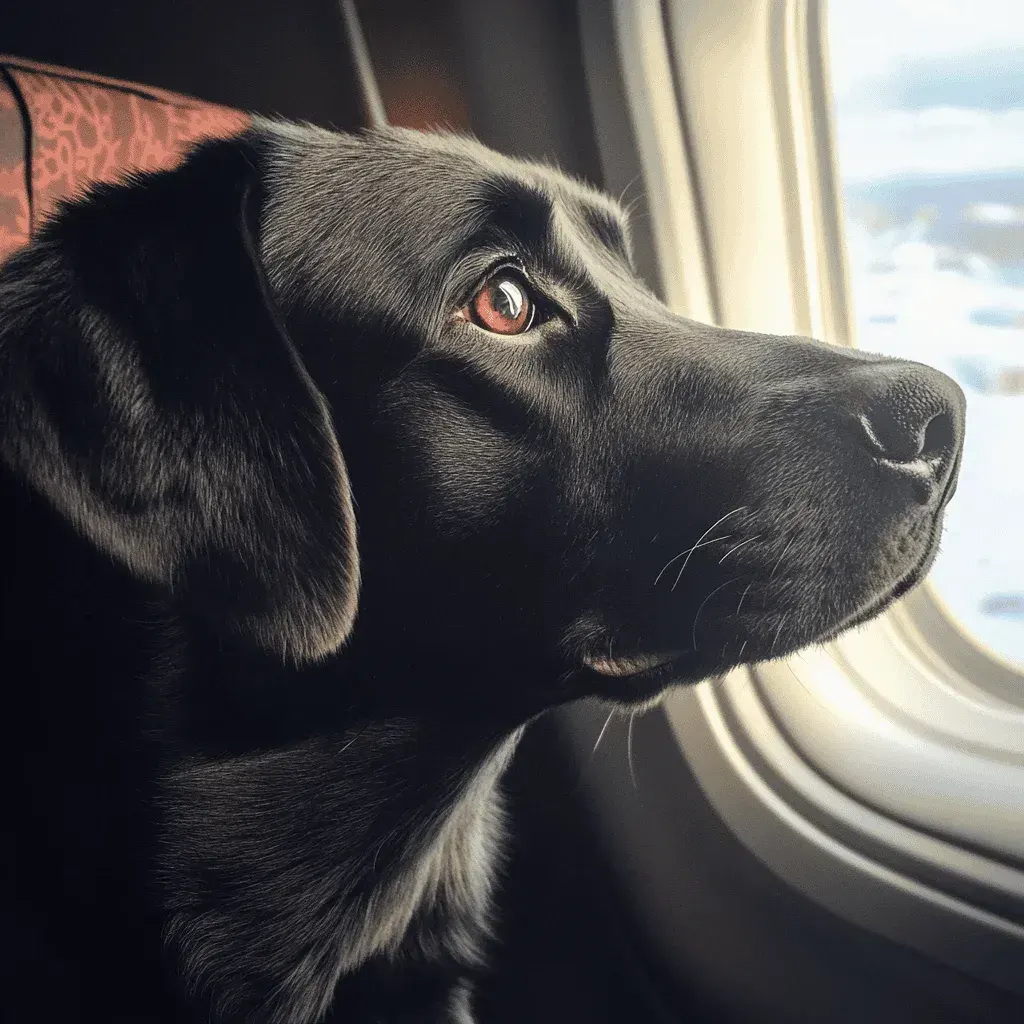
For small cats and dogs, the passenger cabin is the most comfortable option. The animal stays close to you, avoids the noise of the cargo hold, and experiences a mild cabin climate. However, Lufthansa limits the number of in‑cabin pets per flight, so you cannot treat this as a last‑minute add‑on.
Eligible Animals and Weight Limits
Only domesticated cats and dogs qualify for in‑cabin transport. The combined weight of the animal and its carrier must not exceed 8 kg (17.6 lbs). If your pet is heavier, it must travel as checked baggage or through Lufthansa Cargo. Lufthansa allows one pet per passenger in the cabin. Two young animals from the same litter weighing less than 8 kg together may share a single carrier, provided both can sit, lie down, and turn around without crowding.
Carrier Specifications
The in‑cabin carrier must be soft‑sided or semi‑rigid and designed to fit entirely beneath the seat in front of you. External dimensions cannot exceed 55 cm x 40 cm x 22 cm (21.6 in x 15.7 in x 8.6 in). Hard plastic kennels are never accepted in the cabin because aircraft seat‑row geometry leaves no room for rigid corners. Look for a well‑ventilated, leak‑proof bag with a secure zipper. The interior must be large enough for the pet to stand, turn around, and lie down naturally.
A washable absorbent pad on the bottom helps manage any accidents.
Fees and Reservation Process
In‑cabin pet fees are non‑refundable once ticketed. On short‑ and medium‑haul routes within Europe, expect charges between €55 and €110. On intercontinental flights, the fee rises to €150–€190. These amounts appear during booking and must be paid at the time of reservation. Lufthansa does not sell pet tickets at the gate; you must contact the airline’s service center at least 24 hours before departure.
Given that in‑cabin pet slots often cap at two to four animals per flight, reserve the spot as soon as your travel dates are confirmed. If the flight is operated by a Lufthansa regional partner, additional limitations may apply, so always confirm the operating carrier’s policy.
Cabin Restrictions and Exceptions
Pets in the cabin are not allowed in Business Class on long‑haul services because those seats lack appropriate under‑seat stowage space. Short‑ and medium‑haul Business Class cabins do accept pets, but economy and Premium Economy remain the most reliable choices. Flights to and from the United Kingdom, Ireland, Australia, New Zealand, and a few other nations prohibit in‑cabin pet entry wholly, even for small animals. Lufthansa’s website and service agents can confirm whether your specific route is open to cabin pets.
Health and Behavior Standards
Every in‑cabin pet must present a health certificate issued by a licensed veterinarian within 10 days of departure. The certificate needs to state the animal is free from infectious diseases and fit to fly. Lufthansa also expects pets to be clean, calm, and leashed during screening. At the security checkpoint, you will remove the animal from its carrier while the bag goes through the X‑ray. A soft collar or harness that stays on throughout the process is a smart investment.
2. Pets as Checked Baggage
When the combined weight exceeds the in‑cabin limit, or if the owner prefers it, a dog or cat can travel in the aircraft’s forward cargo hold. Lufthansa manages that compartment with active temperature control and gentle loading procedures, but acceptance depends on meeting strict kennel and health requirements.
Approved Kennels
Checked pet kennels must be hard‑sided rigid plastic or metal containers complying with the International Air Transport Association’s Live Animals Regulations. Key features include:
- Spring‑loaded locking pins that cannot shake open during flight.
- Solid, non‑slip floor lined with absorbent bedding (no straw or hay).
- Ventilation openings on at least three sides for small crates, and all four sides for larger ones.
- A water container attached to the inside of the door, refillable from outside without opening the kennel.
The animal must be able to stand fully erect without touching the kennel roof and to turn around comfortably. Lufthansa staff inspect every kennel at check‑in. If it fails the inspection, the pet will not be accepted.
Weight and Size Limits
The combined mass of the animal and kennel normally may not exceed 32 kg (70 lbs). Heavier setups must go through Lufthansa Cargo’s live animal service. Maximum external kennel dimensions depend on the aircraft type operated on your route, so you will need to verify with the reservation agent. Choosing the smallest IATA‑compliant kennel that still provides adequate space reduces handling stress and makes loading easier.
Fees for Checked Pets
Checked pet charges are based on route zone and crate size. Intra‑European flights generally cost €100–€200 per animal, while intercontinental journeys run €200–€400. All checked pet fees are non‑refundable once ticketed. Payment must be completed during the booking call, and you must present the receipt at the airport. Checked pet carriage is not available on all Lufthansa routes; for example, United Kingdom and Ireland require cargo handling regardless of size.
Temperature Embargoes and No‑Sedation Rule
Lufthansa monitors tarmac and en‑route temperatures and will not accept a checked pet when the forecast predicts temperatures above 29°C (84°F) or below ‑6°C (21°F) at any point along the journey. This rule covers departure, transfer, and arrival stations. It applies to in‑cabin pets during ramp movement as well, though cabin‑stowed animals are less affected. Sedatives are strictly prohibited for any animal traveling in the cargo hold. The darkened, quiet environment combined with the pet’s natural instinct to rest during pressure changes normally keeps most cats and dogs calm without medication.
3. Lufthansa Cargo for Special Pet Transport
Very large dogs, restricted breeds, and shipments that must enter a country exclusively as freight need Lufthansa Cargo’s Live Animal Service. This division uses dedicated climate‑controlled facilities at major hubs, live‑animal handling specialists, and real‑time tracking. Cargo is mandatory when:
- The animal and kennel together exceed 32 kg (70 lbs).
- The breed appears on Lufthansa’s “dangerous dog” list (even if the dog is gentle, paperwork requires cargo routing).
- Destination regulations forbid cabin or checked‑baggage entry (e.g., UK, Ireland, Australia).
- The traveler wants to ship species other than cats or dogs, such as rabbits, ferrets, or birds.
Booking through Lufthansa Cargo requires working with an experienced professional pet shipper. The shipper ensures the kennel meets IATA LAR standards, arranges the veterinary exam, and handles import permits. Cargo rates are calculated per consignment based on volumetric weight and route, and the process typically needs to start two to three weeks in advance, if not more for countries with quarantine protocols.
4. Breed‑Specific Restrictions and Safety Rules
Some breeds face outright bans or mandatory cargo routing because of their physical characteristics or perceived aggression. Misreading these restrictions is one of the most common causes of airport rejection.
Brachycephalic (Short‑Nosed) Breeds
Dogs and cats with flattened facial structures are highly vulnerable to heat stress and breathing crises at altitude. Lufthansa does not carry these breeds in the cargo hold or as checked baggage on any flight:
- Bulldogs: English, French, American, Olde English Bulldogge.
- Pugs (all coat variations).
- Boston Terriers.
- Boxers.
- Persian and Himalayan cats.
These animals may still travel in the cabin if they satisfy the weight and carrier limits. Mixed‑breed dogs with a similarly compressed muzzle can be denied at the discretion of the ground crew, so a veterinary letter confirming the dog’s airway conformation is advisable if there is any doubt.
“Dangerous” and Restricted Dog Breeds
Lufthansa classifies several breeds as potentially dangerous and routes them exclusively through Lufthansa Cargo. The list typically includes American Pit Bull Terrier, Staffordshire Bull Terrier, Rottweiler, Mastiff, Dogo Argentino, Fila Brasileiro, and similar types. Each case is reviewed individually. Passengers may need to sign a liability waiver and provide a reinforced, escape‑proof kennel. The airline retains the right to refuse any animal that shows aggressive behavior at check‑in, regardless of documentation.
5. Service Animals and Emotional Support Animals
Lufthansa updated its policy in 2021 to separate trained assistance dogs from comfort‑oriented support animals. Emotional support animals (ESAs) are no longer recognized as a special category and must travel as regular pets—booked in‑cabin or as checked baggage with all standard requirements and fees.
Trained Service Dogs
A professionally trained service dog assisting a passenger with a disability travels in the cabin free of charge, irrespective of weight or size. The dog must occupy the floor at the owner’s feet and not block the aisle. Lufthansa accepts only dogs as recognized service animals. Required documentation includes:
- An official service animal identification card or a letter on organizational letterhead.
- A valid health certificate issued within 10 days of travel.
- Proof of current rabies vaccination for international routes.
Passengers should notify Lufthansa at least 48 hours before departure so the crew can confirm suitable seating. Harness and leash are mandatory, and the dog must demonstrate disciplined behavior in the airport environment.
6. Country‑Specific Import Regulations
No airline can override a nation’s import laws. Even if Lufthansa accepts the pet, the destination country may deny entry if paperwork is wrong. Below are the core rule sets for popular destinations.
European Union (EU) Travel
Pets moving between EU countries need:
- An EU Pet Passport.
- A 15‑digit ISO‑compliant microchip (implanted before the first rabies shot).
- A current rabies vaccination given at least 21 days before travel.
Some EU states also require dogs to receive an anti‑echinococcus tapeworm treatment within a specific window. Check the European Commission’s pet movement portal for the latest country‑specific details.
United States and Canada
For entry into the U.S., the USDA APHIS and the CDC require a health certificate issued within 10 days, plus proof of rabies vaccination for dogs. Canada enforces similar rules through the Canadian Food Inspection Agency, always demanding a valid rabies certificate. Both countries generally allow in‑cabin pets from Lufthansa, but checking the latest import alerts is strongly advised.
United Kingdom and Ireland
These islands do not permit pets to enter in the cabin or as checked baggage. All dogs, cats, and ferrets must arrive as manifest cargo through an approved port of entry, accompanied by a pet passport or third‑country health certificate, microchip, tapeworm treatment, and rabies vaccination. Lufthansa Cargo is the only compliant option.
Australia and New Zealand
Both countries have some of the world’s strictest biosecurity controls. Requirements include an import permit, blood titer tests, multiple vaccinations, and a stay in a government‑approved quarantine facility. Start preparing at least six months before travel and work with a specialized pet relocation company that knows the Lufthansa Cargo workflow.
Other International Destinations
Many countries across Asia, the Middle East, Africa, and South America demand additional steps such as rabies titer blood tests sent to approved laboratories, import permits obtainable only through a local sponsor, and health certificates endorsed by a government authority. Lufthansa consistently advises passengers to contact the destination’s embassy or consulate and to confirm every requirement before the pet’s flight is ticketed.
7. Preparing Your Pet for a Lufthansa Flight
Even a correctly documented trip can be stressful for the animal. A few practical measures taken well before departure dramatically improve comfort and compliance.
Weeks Before Departure
- Veterinary exam: Have a full health check, discuss any travel concerns, and ask about carrier‑acclimatisation techniques if your pet is unused to confinement.
- Vaccination update: Ensure rabies and other core vaccines are current and recorded in the animal’s documentation. For rabies, the 21‑day post‑vaccine waiting period is often mandatory.
- Carrier familiarization: Unpack the approved carrier early, place treats and a familiar blanket inside, and let the pet explore and sleep in it. After a few nights, it will smell like home.
- Microchip verification: Confirm the chip number matches the passport and health records, and that your contact details in the database are up to date.
The Day Before and the Morning of Travel
- Feeding: Serve a light meal four to six hours before departure to reduce the risk of motion sickness. Provide water until shortly before leaving home, then remove it to avoid a full bladder.
- Exercise: A long walk or extra playtime helps tire the animal out, making rest more likely once in the carrier.
- Comfort items: Add a t‑shirt you have worn (unwashed) to the carrier; your scent is a powerful calming agent.
- Document check: Pack the health certificate, vaccination records, EU Pet Passport (if relevant), and any import permits in an easily accessible folder—not buried in checked luggage.
At the Airport and During the Flight
- Arrival time: Lufthansa recommends two hours before departure for short‑haul and three hours for long‑haul, giving ample time for document checks and security.
- Pet relief: Most major airports now have pet relief areas. Use them right before heading to check‑in.
- Security screening: You will remove the pet from the carrier and carry or lead it through the magnetometer while the carrier passes through the X‑ray. Keep a firm grip on the leash—the screening hall is noisy and full of unfamiliar people.
- On board: The carrier door must stay closed and the container remains fully under the seat. Do not open it or feed the animal during the flight. A couple of ice cubes offered through the mesh can help with thirst without filling the bladder.
8. Frequently Asked Questions
Can I purchase an extra seat for my pet?
No. Lufthansa does not permit pet carriers on passenger seats; all in‑cabin animals travel in a carrier stowed on the floor beneath the seat in front of you.
Are exotic pets like birds, reptiles, or rabbits allowed?
Only cats and dogs are accepted as cabin or checked baggage. Birds, reptiles, rabbits, ferrets, and other small animals must be booked through Lufthansa Cargo and comply with both IATA standards and destination import rules.
What happens if my pet behaves aggressively at the airport?
Lufthansa can deny boarding to any animal showing aggression or severe stress. The pet must remain manageable throughout check‑in, security, and boarding. While muzzles are not universally required, they are a sensible precaution for dogs that may react to the airport’s chaos.
How many pets are allowed on a single flight?
In‑cabin capacity is very limited, usually two to four pets depending on aircraft type. Checked and cargo slots are also finite. Early booking—at the time you purchase your own ticket—is the only way to secure space.
Should I sedate my pet?
Lufthansa strongly advises against sedation, especially for animals in the cargo hold. If a veterinarian prescribes a mild calming agent, you must present a signed letter detailing the medication and dosage. The animal must still appear alert and able to stand at check‑in. For cargo transport, sedation is generally prohibited outright.
9. Quick‑Reference Planning Checklist
Traveling with a pet on Lufthansa reduces to a simple checklist when you separate the critical steps:
- In‑cabin: Combined weight under 8 kg, soft‑sided carrier max 55×40×22 cm, fee €55–€110 (Europe) or €150–€190 (long‑haul), book ≥24 h ahead.
- Checked: IATA rigid kennel, total weight normally ≤32 kg, fee €100–€400, temperature embargo 29°C/‑6°C, no sedation.
- Cargo: Mandatory for >32 kg, dangerous breeds, and cargo‑only destinations; engage a professional pet shipper 2–3 weeks before travel.
- Short‑nosed breeds: Banned from hold; may qualify for cabin only.
- Service dogs: Free in cabin with proper documentation; ESAs travel as regular pets.
- International: Verify rabies wait periods, microchip standards, and tapeworm treatments. Plan Australia/NZ trips 6+ months in advance.
Because airline policies and government import rules evolve, always consult the official Lufthansa pet travel page and the destination’s embassy website before paying for your flight. With thorough preparation, your animal can move through the process calmly, and you will board knowing every detail has been covered.