Table of Contents
Emirates is synonymous with lavish passenger experiences, but when it comes to travelling with animals, the airline adopts a cargo‑first philosophy that often surprises first‑time pet owners. With the exception of fully trained service dogs on selected routes, every cat, dog, bird, and rabbit must fly in the pressurised hold under the management of Emirates SkyCargo, the carrier’s dedicated freight division. This reality demands a different set of bookings, documents, and timelines than those used for human passengers. Understanding the granular details—from crate specifications and breed embargoes to destination‑specific import permits—eliminates last‑minute panic and ensures your animal reaches the same destination safely.
Emirates’ Core Philosophy on Animal Travel
The decision to keep pets out of the cabin, barring accredited service dogs, rests on a blend of operational safety, passenger comfort, and the strict biosecurity standards of Dubai, the airline’s hub. Emirates’ wide‑body fleet provides temperature‑controlled forward and aft cargo compartments that are pressurised and ventilated, but they remain physically separate from the passenger deck. This arrangement aligns with the International Air Transport Association (IATA) Live Animals Regulations, which Emirates upholds rigorously. For owners, this means treating pet transport as a standalone freight transaction that requires early planning, precise paperwork, and compliance with the animal‑import legislation of every country along the route.
Service Dogs: The Only Cabin Companions
Qualification Criteria
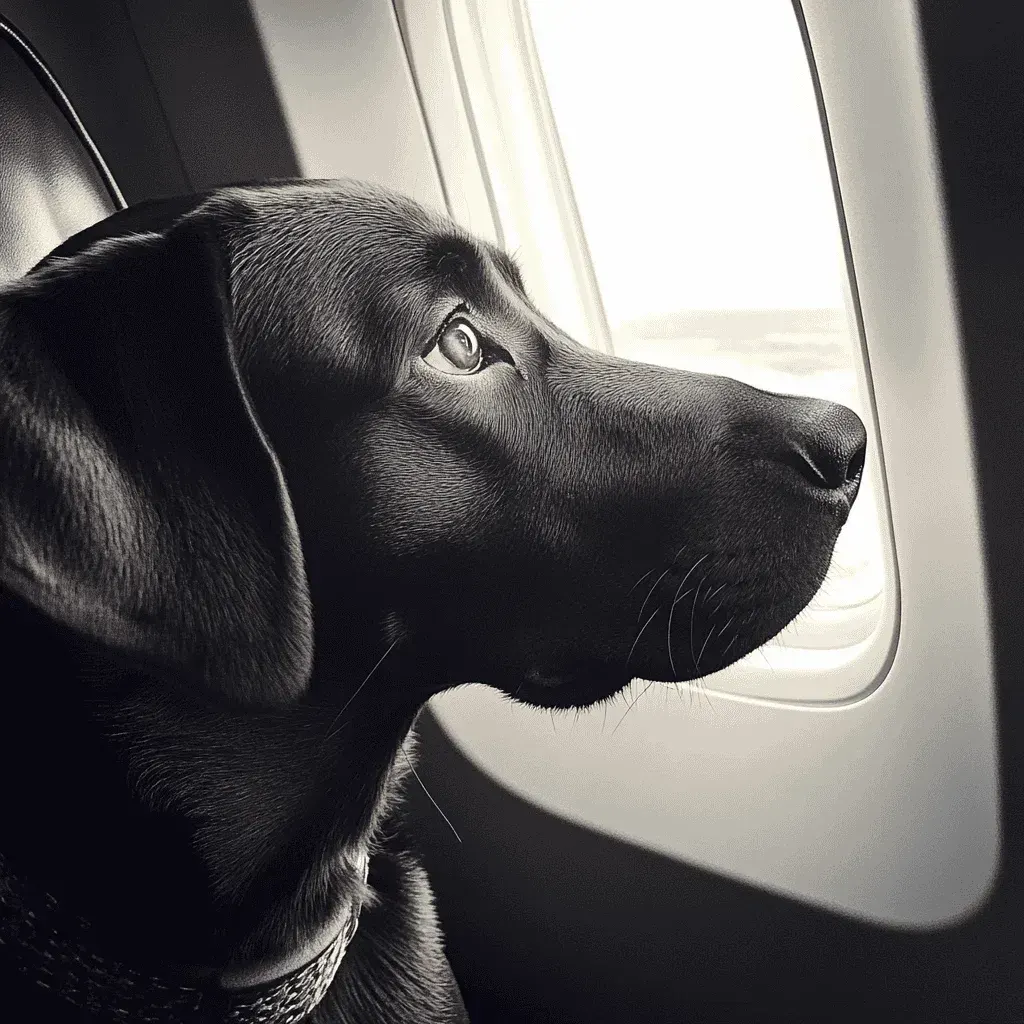
Emirates grants cabin access exclusively to fully trained service dogs performing tasks directly related to a passenger’s disability. Emotional support animals (ESAs), therapy dogs, and untrained companion animals have not been recognised in the cabin since 2021, mirroring updates by the U.S. Department of Transportation and the Canadian Transportation Agency. A qualifying service dog must be individually instructed to perform work—such as guiding a visually impaired handler, alerting to an impending seizure, or interrupting harmful repetitive behaviour—for a person with a physical, sensory, psychiatric, or intellectual disability. The dog’s behaviour must never threaten the safety or comfort of other passengers.
Required Documentation and Pre‑Approval
Approval does not happen at the gate; travellers must contact Emirates at least 48 hours before departure and submit a dossier that typically includes:
- A certificate from a recognised service‑dog training organisation.
- A veterinary health certificate issued within 10 days of the outbound flight.
- Proof of current rabies vaccination and any additional inoculations demanded by the arrival country.
- Documentation of an ISO 11784/11785 microchip (15‑digit frequency‑compliant chip).
Requests are reviewed individually, and the airline retains the right to decline any animal that does not convince staff of its training or health. For flights touching the United States or Canada, the DOT and CTA allow service dogs at no extra cost; on all other sectors, even a certified service animal will usually be required to travel as cargo. This regulatory patchwork makes it essential to confirm the rule for every segment of a journey.
On‑Board Rules
Once cleared, the service dog must remain harnessed or leashed and positioned at the passenger’s feet—or on the lap if small enough—without extending into the aisle or onto adjacent seats. The dog must be tethered during taxi, takeoff, and landing. Aggression, excessive barking, or signs of illness will result in denied boarding. While the dog flies free, any damage to the aircraft interior or other passengers’ property is the owner’s financial responsibility.
Emirates SkyCargo: The Standard Path for Pets
Eligible Species and Acceptance Criteria
Emirates SkyCargo moves a wide spectrum of animals: domestic cats and dogs, rabbits, ornamental birds, and, uniquely, falcons—a culturally significant category across the Gulf. Non‑venomous reptiles and certain small mammals can also be accepted with prior approval and valid CITES permits where applicable. Livestock or zoo animals travel under separate charter arrangements. Every animal must appear healthy, calm, and fit to fly on the day of departure; agents will refuse a sick, distressed, or heavily sedated animal outright.
Kennel Specifications That Pass Inspection
The single most critical piece of equipment is the travel crate. Emirates insists on a hard‑sided, IATA‑compliant kennel meeting these benchmarks:
- Sufficient interior height for the pet to stand erect without touching the ceiling, turn around freely, and lie down in a natural position.
- Ventilation on at least three sides, with a secure metal or heavy‑duty plastic door that fastens with a central lock.
- No wheels—any originally fitted wheels must be removed or permanently recessed.
- All bolts, nuts, and screws fully tightened; additional zip‑ties at every corner are strongly advised.
- Fixed, spill‑proof food and water containers attached to the inside of the door so that handlers can hydrate the animal without opening the crate.
Soft‑sided carriers, folding fabric crates, wire cages, and modified wooden boxes are universally rejected. The airline also prohibits heavy sedation, because hypobaric conditions in flight can dangerously amplify the respiratory‑depressant effects of tranquilisers.
Booking, Check‑In, and Transit
Pet‑cargo bookings cannot be made through the passenger website. Instead, owners must contact the Emirates SkyCargo animals desk or an accredited freight forwarder. A lead time of at least 72 hours is recommended, though many experienced pet shippers begin the process several weeks ahead, particularly during peak travel seasons when cargo space is scarce. Confirmation is separate from the passenger ticket, so avoid buying your own ticket until the animal’s space is secured.
On departure day, the animal must be presented at the designated SkyCargo terminal at least three hours before the flight. This facility is distinct from the passenger terminal, requiring extra transfer time, especially at Dubai International Airport (DXB). A cargo agent will inspect the kennel, verify all documents, and weigh the loaded unit to determine the freight charge.
What Does It Cost?
Emirates SkyCargo does not publish a universal tariff. Fees depend on gross weight (animal plus crate), crate dimensions, origin, destination, and whether the itinerary involves a transit stop. As a rough indicator, transporting a medium‑sized dog weighing 20–30 kg with its crate on a short‑ to medium‑haul sector typically falls between US$500 and US$1,200. Intercontinental routes can easily surpass US$2,000 each way. Fuel, security, and handling surcharges are added at the time of acceptance, and payment is collected in local currency.
For a binding quote, provide the SkyCargo team with your exact route, pet weight, and kennel dimensions.
Breed‑Specific Restrictions and Health Considerations
Brachycephalic (Short‑Nosed) Breeds
Flat‑faced dogs and cats face a blanket ban in the cargo hold. Their compressed airways and elongated soft palates heighten the risk of breathing distress and overheating in the cargo environment, even in a pressurised and ventilated compartment. Emirates does not accept the following as cargo:
- Dogs: All Bulldog varieties, all Pug varieties, Boxer, Boston Terrier, Shih Tzu, Pekingese, Japanese Chin, and any mix with dominant brachycephalic features.
- Cats: Persian, Himalayan, Exotic Shorthair, and Burmese.
This restriction is absolute and non‑negotiable, irrespective of season or flight length. Even a healthy‑looking flat‑faced animal will be turned away. Service dogs belonging to these breeds undergo case‑by‑case evaluation for cabin travel, but the cargo embargo remains firm for any return or onward segments.
Dangerous and Aggressive Animals
While Emirates does not publish a formal banned‑aggressive list, breeds often flagged by handlers include American Pit Bull Terriers, Tosa Inu, Fila Brasileiro, and some mastiff types. Cargo personnel may request a behavioural assessment from a certified trainer or insist on a muzzle during ground handling.
When in doubt, contact SkyCargo with detailed information about your pet’s temperament and background before making a reservation.
Region‑Specific Import Rules
United Arab Emirates (Arrival and Transit)
Pets landing in Dubai must clear customs with the UAE Ministry of Climate Change and Environment (MOCCAE). The documentation checklist includes:
- An ISO‑compliant microchip (15‑digit).
- A rabies vaccination certificate showing inoculation at least 21 days before travel for first‑time vaccines.
- A MOCCAE import permit secured through the ministry’s e‑portal before departure.
- A veterinary health certificate issued in the country of origin within 10 days of travel.
Animals transiting through Dubai’s cargo zone without leaving the airport do not require an import permit, but they remain in the animal‑holding facility. If you wish to reclaim your pet during a long layover, you must satisfy full import formalities; a passenger transit visa does not grant automatic animal clearance.
European Union and the United Kingdom
Travel to EU member states or the UK follows the EU Pet Travel Scheme and the UK’s post‑Brexit health regulations. Core requirements encompass:
- ISO microchip.
- Rabies vaccination, and for entry from certain high‑risk countries, a rabies antibody titre test carried out at least 30 days after vaccination and at least three months prior to travel.
- An EU pet passport (for EU‑resident animals) or a UK Animal Health Certificate (AHC) completed by an official veterinarian within 10 days of departure.
- Tapeworm treatment for dogs entering the UK, Finland, Ireland, Malta, or Norway, administered not less than 24 hours and not more than 120 hours before arrival.
Flawless paperwork is mandatory. A single missing signature or incorrect date format can cause the animal to be quarantined or returned at the owner’s expense.
United States and Canada
As of 2025, the CDC dog importation update stipulates that every dog entering the U.S. must be at least six months old, microchipped, and accompanied by a completed CDC Dog Import Form receipt. Canada requires a rabies vaccination certificate and additional conditions for puppies under eight months. In both countries, the health certificate must be dated within 10 days of travel. Emirates will verify these documents at cargo check‑in, and non‑compliant shipments will be refused.
Australia, New Zealand, and High‑Biosecurity Nations
Australia and New Zealand enforce some of the world’s tightest animal biosecurity protocols. The process typically involves:
- Rabies vaccination followed by a Rabies Neutralising Antibody Titre Test (RNATT) at an approved laboratory.
- A 180‑day waiting period from the blood draw date before export.
- Pre‑export parasite treatments, clinical examinations, and an import permit issued by the destination government.
- Quarantine on arrival—commonly 10 days in Australia and up to 30 days in New Zealand, depending on the country of origin—at a government‑approved facility.
Emirates SkyCargo provides the air transport segment, but the owner must secure all permits, book quarantine spaces months in advance, and manage the timeline meticulously.
Climate Embargoes and Travel Timing
Modern aircraft hold active temperature controls, but extreme tarmac heat still affects pet acceptance. During the Gulf summer, when ambient temperatures frequently exceed 40°C (104°F), Emirates may impose a heat embargo that restricts the loading and offloading of animals during the hottest hours. For short‑nosed or long‑haired breeds, these embargoes can be absolute on certain routes. Conversely, northern European or Canadian destinations may enforce cold‑weather restrictions when ramp temperatures drop below freezing. Always verify current embargo conditions with SkyCargo when booking, as policies shift with seasonal forecasts.
Preparing Your Pet for Air Cargo
Veterinary Check and Crate Acclimatisation
A thorough veterinary examination, ideally within the 10‑day window for the health certificate, is non‑negotiable. Have the vet confirm microchip functionality and discuss whether a mild, non‑sedating anxiolytic supplement suits your pet—heavy tranquilisers are strongly discouraged. Equally important is kennel training. Introduce the crate weeks ahead, leaving it open with treats and a familiar blanket inside. Gradually increase crate time so the animal perceives the carrier as a safe den rather than a confinement tool.
This reduces stress‑related panting, chewing, and dehydration in transit.
Feeding, Hydration, and Travel‑Day Logistics
Offer a light meal no later than four hours before cargo check‑in to minimise motion sickness. Never restrict water; instead, freeze the crate’s water bottle so it thaws slowly during the journey, providing continuous moisture without spilling. Line the floor with absorbent puppy pads or shredded paper, and include a well‑worn item of clothing that carries a reassuring scent. Remove loose toys that could slide around and cause fright. A final brisk walk and a chance to toilet immediately before arriving at the terminal help the animal settle.
Transit Through Dubai: The Animal‑Holding Centre
When an itinerary includes a layover in Dubai, the animal is transferred to a secure, climate‑controlled holding facility at DXB or Dubai World Central. This centre is staffed by trained animal attendants who provide fresh water and, for connections exceeding 12 hours, a controlled amount of food. Soiled bedding is replaced and basic welfare checks are logged. Passengers cannot generally visit their pets during transit, but the SkyCargo team can relay status updates on request. Connections lasting longer than 24 hours may trigger additional charges and separate transit‑import procedures, so plan connections carefully.
Emotional Support Animals and the Current ESA Policy
Aligning with global regulatory shifts, Emirates ceased accepting emotional support animals in the cabin in 2021. Today, any ESA is treated as a standard pet and must travel under the same cargo rules, fees, and container requirements as a companion animal. This policy is firm and enforced uniformly by check‑in and gate staff. Travellers with psychiatric disabilities who rely on a task‑trained service dog still have a path to cabin access: the dog must demonstrate a specifically trained task, such as interrupting self‑harm or alerting to flashbacks, and must be pre‑approved with the same documentation as a physical‑assistance service dog. The distinction hinges on task performance, not just a therapeutic presence.
Falcons and Other Unusual Passengers
Falcons enjoy a unique cultural privilege in the Emirates network. A falcon may travel in the passenger cabin on select routes when accompanied by a handler carrying a valid falcon passport and the necessary CITES permits. More commonly, falcons fly as cargo in custom‑built wooden or ventilated plastic boxes that protect plumage and allow the bird to perch. Ornamental birds—parrots, canaries, pigeons—may also be accepted as cargo with advance approval and the correct destination import permits. Contact SkyCargo directly to discuss enclosure specifications and health certificates for non‑standard species.
Common Mistakes That Derail Pet Shipments
- Buying a passenger ticket before confirming pet cargo space: Animal cargo and passenger bookings are entirely separate. Reserve the pet’s flight first, then finalise your own itinerary around it.
- Showing up with a non‑compliant kennel: Even a slightly undersized or damaged crate will result in refusal. Purchase the kennel well in advance and test‑measure it against IATA guidelines for your animal’s breed and weight.
- Assuming destination rules are secondary: The airline enforces destination import laws at check‑in. A missing titre test, improperly dated certificate, or expired vaccination halts the entire shipment.
- Trying to bring an ESA into the cabin at the last minute: There is no leniency. The animal will either be rebooked as cargo or left behind.
- Mixing airlines on a single journey: If a multi‑carrier itinerary includes another airline, cargo acceptance rules may conflict. Use an experienced freight forwarder to ensure consistent documentation and handling throughout all legs.
Essential Resources and Contact Points
Rely on official sources to verify current requirements, as regulations shift frequently:
- Emirates SkyCargo – Animals & Pets for cargo acceptance and kennel guides.
- Emirates’ accessibility team (available through the global call centre) for service‑dog pre‑approval and route‑specific restrictions.
- UAE MOCCAE – Import of Live Animals for Dubai entry permits and health protocols.
- IATA Live Animals Regulations for international crate construction and handling standards.
- Destination government websites (US CDC, CFIA, UK APHA, Australian DAFF, etc.) for the most localised import alerts.
Summing Up the Journey
Emirates’ pet policy reflects an uncompromising cargo framework that prioritises safety, welfare, and regulatory adherence over cabin convenience. For owners willing to engage with that framework, Emirates SkyCargo delivers a highly professional animal‑handling chain with climate‑controlled facilities and trained personnel across its global network. The trade‑off is that the passenger cabin remains almost entirely pet‑free. Before booking, confirm your pet’s eligibility, invest in a compliant crate, and gather every piece of destination‑specific paperwork. Treat the freight reservation as a standalone project, and double‑check the rules with both the airline and the arrival country’s agriculture authority.
When the details align, your animal will arrive safely and comfortably—travelling in a different part of the same aircraft.