Table of Contents
Traveling out of New York City gets a whole lot simpler when you pick an airline that actually gets what you need as a disabled traveler. If you’re looking for the best airlines for disabled travelers in New York City, Delta Air Lines, United Airlines, and Southwest Airlines stand out—they’ve got solid support like wheelchair help and assistance for cognitive disabilities.
These airlines have picked up a good reputation for their inclusive policies and real efforts to accommodate folks with disabilities.
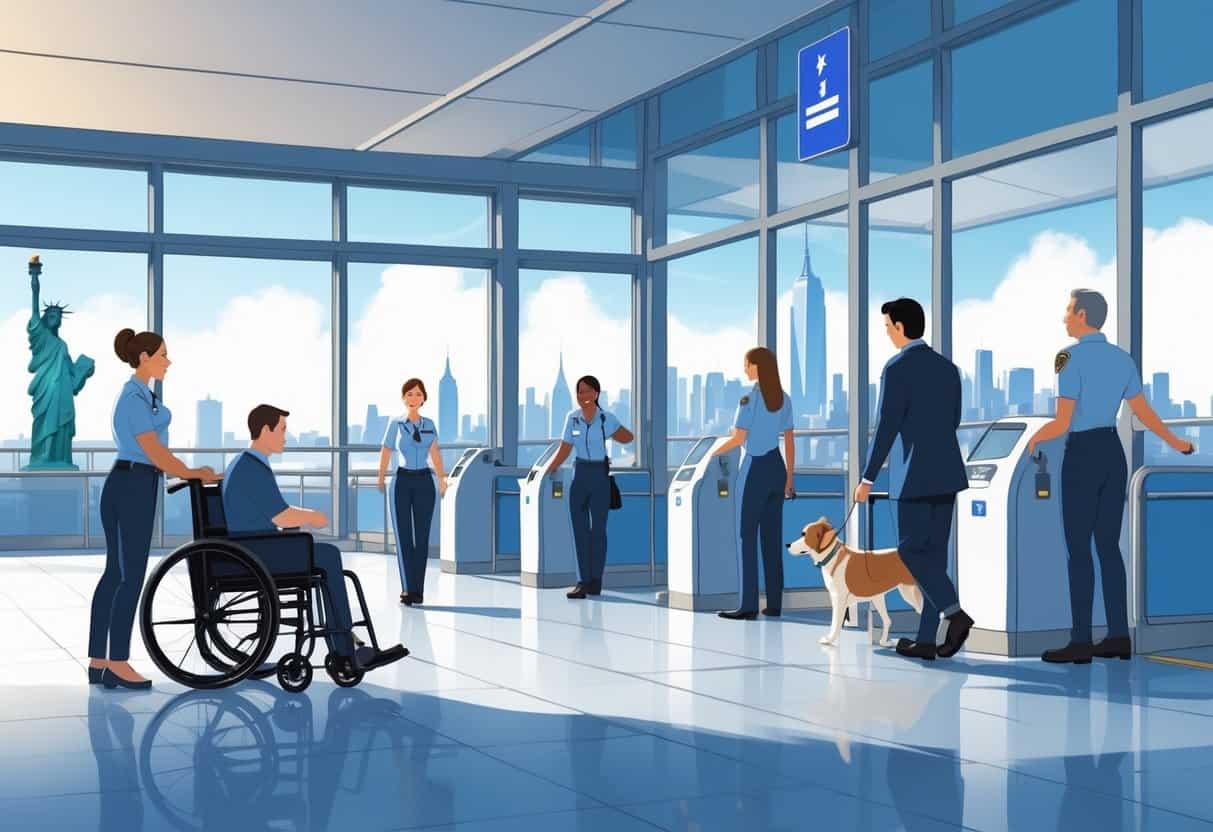
When you’re booking, it’s smart to ask for any special assistance ahead of time. That could mean help with boarding, wheelchair services, or just a little extra support to smooth out your journey.
Knowing your rights—and what each airline actually offers—makes travel way less stressful.
Key Takeways
- Go with airlines known for accessibility if you want better support during your trip.
- Ask for special assistance early so you’re not left scrambling at the airport.
- Knowing your rights puts you in the driver’s seat—well, at least metaphorically.
Airlines Offering Exceptional Accessibility in New York City

Flying out of New York City? Good news: some airlines actually do a decent job supporting disabled travelers. They’ll help with wheelchairs, offer priority boarding, and make sure you’ve got accessible seating.
It’s worth knowing what each airline brings to the table before you book.
Major Airlines Serving Disabled Travelers
A handful of big airlines serve New York City airports with dedicated accessibility programs. Delta Air Lines, United Airlines, and JetBlue, for instance, offer wheelchair help, boarding assistance, and support throughout your trip.
You can ask for help when you book or even at the airport. These airlines also provide seating accommodations and assistance with service animals.
Their websites usually lay out how to request these services, though sometimes the details can be a bit buried.
Accessibility isn’t just about the plane, either. Airport shuttles like NYC Airporter run wheelchair-accessible buses between JFK and Manhattan, which is a nice touch.
Virgin Atlantic’s Accessibility Programs
Virgin Atlantic’s known for a more personalized approach with disabled passengers. They’re not a NYC-based airline, but they do fly internationally from JFK and other nearby airports.
They’ve got a team to help with check-in and boarding, plus accessible seating options—including seats with extra legroom or space for wheelchairs.
Medical devices and service animals? They’ll work with you to make it as smooth as possible. It’s a good idea to reach out to their accessibility department before you fly so you’re not caught off guard.
Comparing Airline Disability Services
When you’re weighing your options, look at what kinds of assistance each airline offers and how easy it is to actually get that help. Some airlines have 24/7 support lines, while others want a heads-up days in advance.
| Service Type | Delta | United | JetBlue | Virgin Atlantic |
|---|---|---|---|---|
| Wheelchair assistance | Available | Available | Available | Available |
| Priority boarding | Yes | Yes | Yes | Yes |
| Onboard accessible seating | Yes | Yes | Yes | Yes |
| Service animal support | Yes | Yes | Yes | Yes |
| Advance booking needed | Recommended | Recommended | Recommended | Recommended |
It helps if the airline’s website is clear and easy to use. Having staff who know what they’re doing doesn’t hurt, either.
Essential Accessibility Services for Disabled Travelers
Airlines these days do offer a range of services to help disabled travelers get from point A to B with less hassle. From wheelchair help to carrying medical gear and providing support for vision issues, these options can take a load off your mind.
Requesting Wheelchair Assistance
If you need a wheelchair, ask for it as soon as you can—ideally when you book. American Airlines, Delta, JetBlue, and United all offer this service in New York City.
They’ll help you from check-in, through boarding, and even with connections.
Be clear about what kind of help you need—some folks need help just on flat ground, others with stairs. Airlines usually have their own wheelchairs, but you can bring your own if you prefer.
If your chair is oversized or tricky to fit on the plane, call the airline’s accessibility desk ahead of time to work things out.
Mobility Aids and Personal Equipment Policies
Bringing your own wheelchair, scooter, or walker? Most airlines let you check or gate-check these for free. Just be sure to give them a heads-up about the size and type.
If your device uses batteries, especially lithium ones, there are some rules—usually you’ll need to disconnect or remove them. If you travel with oxygen or other powered gear, bring a doctor’s note that spells out your needs.
Support for Visual Impairment
If you have vision impairment, airlines often provide extra support at the airport and on board. That might mean help finding your way, reading signs, or assistance while boarding.
You can ask for a companion or staff member to help you navigate. Many airlines train staff to guide visually impaired travelers by describing surroundings or leading you where you need to go.
Let them know your needs when you book and again at the airport so you don’t get overlooked.
Medical Equipment Transportation
Traveling with medical devices like oxygen tanks, CPAP machines, or insulin pumps? Airlines usually allow these as carry-on or checked baggage but may want advance notice.
Bring your prescriptions or a doctor’s letter, just in case. If your device has batteries, double-check the airline’s battery rules before you go.
It’s smart to pack fragile equipment in sturdy cases and label them as medical devices to avoid confusion or delays.
Important Regulations and Rights for Disabled Passengers
You’ve got rights when you fly with a disability, and they’re not just lip service. There are real laws against discrimination, plus rules about when you can fly based on your health.
Non-Discrimination Laws Affecting Airlines
The Air Carrier Access Act (ACAA) protects you from discrimination by airlines because of your disability. Airlines can’t refuse to let you fly or treat you unfairly.
Your wheelchair and assistive devices must be handled with care, and if something gets damaged or lost, the airline has to help you fix or replace it.
They’re also supposed to help you board and deplane and provide seating accommodations if you need them.
You shouldn’t be charged extra for these services. Airline staff are required to be trained in assisting passengers with disabilities, and if they drop the ball, you can report it to the U.S. Department of Transportation.
Understanding Fitness to Fly Requirements
Airlines might ask for a “fitness to fly” declaration if they’re worried about your health during a flight. Usually, this means getting a doctor’s note saying you’re good to travel.
These rules exist mostly for people with serious health issues or contagious diseases. Sometimes it’s about needing special medical equipment that the airline doesn’t allow onboard.
You can appeal if an airline tries to stop you from flying. It’s a smart move to check with your airline early and get any medical paperwork sorted out, so you don’t get stuck at the airport.