Table of Contents
Traveling from Omaha sometimes means dealing with flight delays or cancellations. Different airlines handle these situations in their own ways.
Knowing which airlines offer better delay and cancellation policies from Omaha can help you avoid stress and get better service if your plans change.
Major airlines like Delta usually provide updates within 30 minutes if there’s a delay or cancellation. Budget carriers might ding you with fewer fees for canceling, but don’t expect the same level of customer support.
Before booking, it’s worth checking each airline’s specific policies for delays and refunds. That way, if your flight gets disrupted, at least you know what you’re in for.
Key Takeways
- Airline delay and cancellation policies really do vary from Omaha.
- Major airlines often provide quicker updates and clearer communication.
- Budget carriers may have lower fees but offer less support.
Overview of Airline Delay and Cancellation Policies in Omaha Nebraska
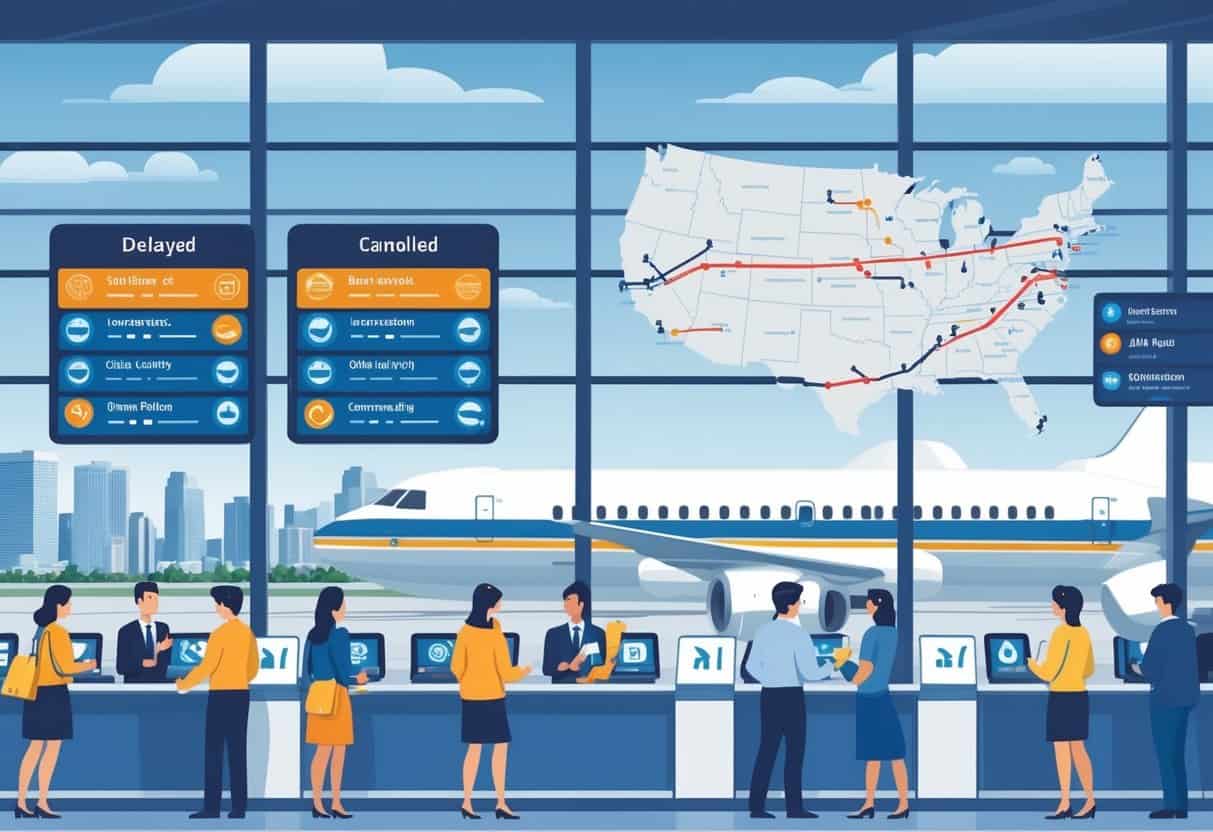
If you’re flying from Omaha, your plans can get thrown off by all sorts of things. Flight delays and cancellations here are usually tied to local weather and rules set by U.S. authorities.
Knowing what causes these disruptions and what rules apply can help you plan better—and maybe keep your cool when things go sideways.
Key Factors Influencing Airline Delays and Cancellations
Delays and cancellations in Omaha happen for a bunch of reasons. Severe winter weather tops the list.
Snow, ice, and low visibility can slow flights or shut things down completely. Airlines and airport staff need extra time to clear runways and prep planes.
Other culprits include mechanical issues, crew shortages, and air traffic control limits. Even with the best planning, some delays are just out of everyone’s hands.
In the U.S., flights arriving or departing 15 minutes or more after schedule are officially considered delayed.
Relevant Department of Transportation Guidelines
The U.S. Department of Transportation (DOT) has rules to protect travelers when flights are delayed or canceled. Airlines must let you know about delays or cancellations within 30 minutes of learning about them.
You’re entitled to a refund if your flight is canceled or delayed by three hours or more, no matter the reason.
Airlines are supposed to reduce inconvenience when delays are their fault, like mechanical issues. They might offer rebooking or compensation.
You can check the DOT’s Airline Customer Service Dashboard to see how airlines perform on delays and cancellations at Omaha and other airports.
Role of Winter Weather in Omaha Delays
Winter in Omaha can really mess with flight schedules. Snowstorms, freezing rain, and icy runways make flying risky.
When it gets bad, airlines and airport staff have to delay or cancel flights to keep folks safe. These weather delays can last for hours or force you to rethink your whole trip.
Even if your airline runs on time elsewhere, a snowstorm in Omaha can cause a ripple effect. It’s a key connecting airport for the region.
If you’re traveling in winter, keep an eye on the forecast. Airlines usually update passengers quickly during storms to help you adjust plans.
Comparing Major Airlines for Delay and Cancellation Performance from Omaha
When you’re flying out of Omaha, it helps to know how each airline handles delays and cancellations. Some focus on rebooking fast, others on customer care or compensation.
The level of support varies, especially if you have connecting or international flights.
American Airlines: Rebooking and Compensation Policies
American Airlines tries to rebook passengers quickly when flights are delayed or canceled. If your flight gets seriously delayed or canceled, they’ll usually auto-rebook you on the next available option.
You can also ask for a refund if the delay drags on or you just don’t want to travel anymore. For connecting flights, American works to keep your trip together or find alternatives.
If your international plans get disrupted, American tends to offer more options, like direct flights, to keep you moving.
Compensation depends on why the delay happened and if it was the airline’s fault. You can reach customer service, but sometimes you’ll wait a while.
Delta: On-Time Performance and Support
Delta’s on-time record for Omaha flights is generally solid, so you’ll probably face fewer delays.
If your flight’s delayed more than 15 minutes, Delta staff usually let you know fast and offer rebooking—sometimes on alternate routes.
Their customer service helps with both domestic and international connections. They try to prioritize non-stop flights when delays hit.
You might get meal vouchers or hotel stays during long delays, but that’s mostly if the airline caused the problem.
Southwest Airlines: Flexibility and Customer Care
Southwest is known for its flexible cancellation and change policies. If your Omaha flight is canceled or delayed, you can usually cancel or reschedule with no extra fees, even close to departure.
Their customer care is strong—phone and app support make it simple to adjust plans for both direct and connecting flights.
Southwest doesn’t hand out formal compensation like some airlines, but your ticket value stays good for future travel.
Their on-time record is hit or miss, but they tend to do better on short, direct flights from Omaha.
Analyzing Secondary and Budget Carriers’ Delay Management in Omaha
Policies vary a lot between airlines when it comes to delays and cancellations in Omaha. Some offer decent support, while others stick to low-cost basics and fewer perks.
Knowing each carrier’s style helps you plan and handle travel snags.
United Airlines: Response to Travel Disruptions
United Airlines usually has decent systems to help you during delays or cancellations. If your flight’s affected, they’ll typically offer rebooking on the next available flight without extra fees.
You can manage changes easily through their app or website. Real-time updates via tools like FlightAware keep you in the loop.
United’s customer service tries to get you where you’re going as soon as possible. Their consumer dashboard shows they care about communication, but it’s smart to have some emergency funds handy in case the disruption isn’t their fault and you’re on the hook for extra costs.
JetBlue: Handling Cancellations and Delays
JetBlue is pretty flexible about rebooking if your flight’s canceled or delayed. They often waive change fees and help you find a new flight.
They’ll keep you posted with alerts, which helps cut down on stress. If you’re stranded, they might give you food or lodging vouchers, but it depends on the situation.
You can manage your travel plans through their website and app, which is handy during disruptions. JetBlue’s customer service is a step up from many budget carriers, but it’s still good to check your specific flight details.
Allegiant: Low-Cost Approaches to Schedule Changes
Allegiant keeps fares low by limiting what they offer for delays and cancellations. They don’t have to provide meals, hotels, or much rebooking help if your flight’s late or canceled, unless the law says so.
You’ll need to contact customer service for other flights, and there might be extra fees. Allegiant recommends checking your flight status often and having an emergency fund in case you get stuck with surprise expenses.
Their website lets you see flight status and make changes, but don’t expect much flexibility. If you’re flying Allegiant from Omaha, plan for the basics and bring a bit of patience.
Essential Tips and Protections for Omaha Air Travelers
It pays to prep for delays or cancellations by knowing your financial protections and ways to save time. Working well with airport security doesn’t hurt, either.
Travel Insurance and Financial Safeguards
Travel insurance can help cover costs like canceled flights or lost bags. If you buy it, check what’s actually covered—especially for delays and cancellations.
Some credit cards come with travel protections for delays, cancellations, or emergencies. Booking with those cards can save you money if things go wrong.
Keep emergency savings separate from your main travel funds. That way, you’ve got cash for alternative flights, hotels, or meals if your plans fall apart.
Always save receipts and document delays or cancellations. Having proof speeds up claims with airlines, insurance, or your credit card company.
Strategies for Minimizing Delay Impacts
Book early morning flights to cut the risk of delays—planes and crews are usually fresh at the start of the day.
Pick airlines with better on-time records. Avoid tight connections to lower the odds of missing your next flight.
Sometimes, seats like first class or premium economy get priority during delays or cancellations. Keep an eye on weather and flight status using airline apps or airport monitors.
Have backup plans ready, like knowing about nearby airports (Kansas City or Lincoln) if you need to reroute.
Working with the Transportation Security Administration
At Omaha Eppley Airfield, you’ll want to meet arriving passengers in the main terminal areas or baggage claim zones. Just make sure you’re following TSA guidelines while you’re at it.
If you travel a lot, TSA PreCheck can be a real lifesaver. It means you get into shorter security lines and don’t have to mess with your shoes or laptops.
Keep your documents handy. Seriously, it saves everyone time.
Don’t bring prohibited items unless you enjoy delays. If you’re not sure, it never hurts to double-check.
Need help or have a question? Just ask a TSA officer. Staying calm and cooperative usually makes things go a lot smoother.