Table of Contents
Traveling through New York City airports can mean dealing with delays or cancellations more often than you’d like. Knowing which airlines have your back makes a world of difference when plans go sideways.
Delta Airlines stands out as the most reliable for on-time flights and offers strong support if your flight is delayed or canceled.
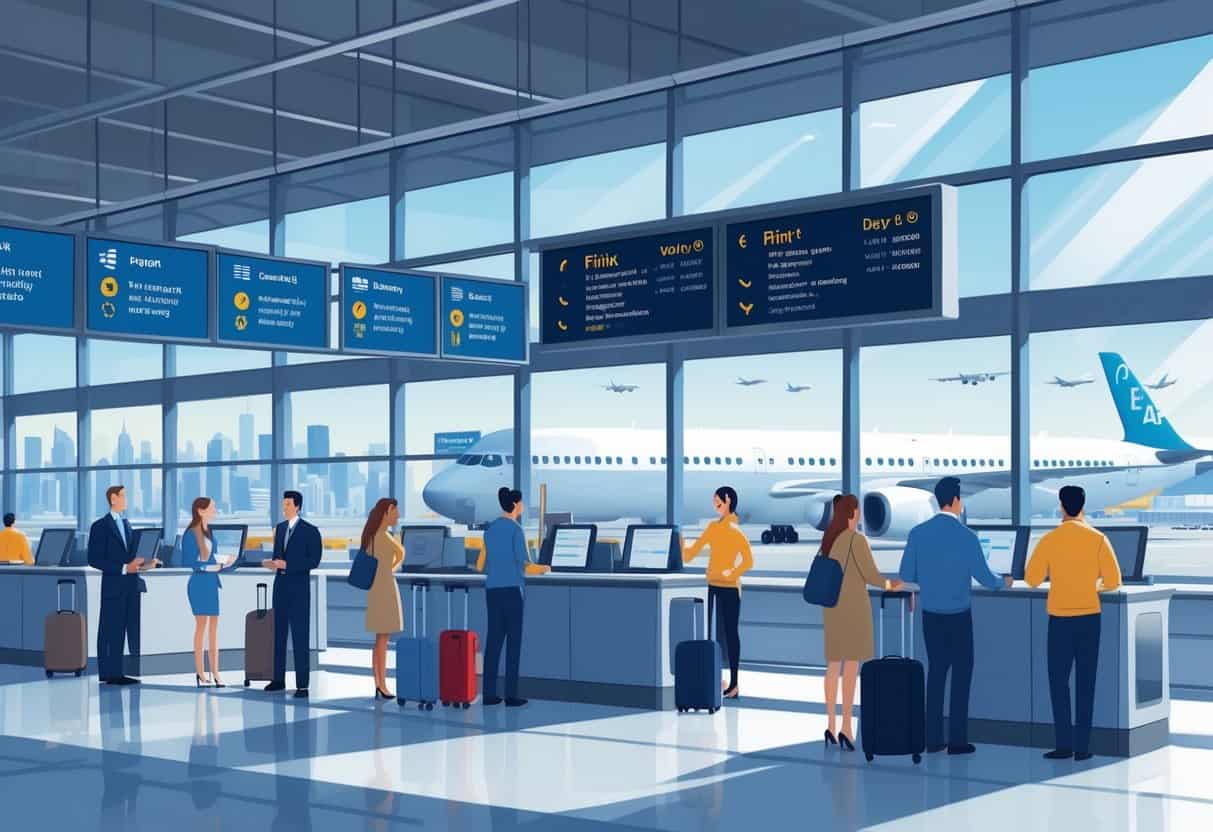
JetBlue and United Airlines are also solid picks. JetBlue gives you a 24-hour risk-free cancellation window, which is handy if you spot a lower fare right after booking.
United is pretty proactive about helping passengers get rebooked when things go wrong. Knowing these policies ahead of time helps you pick the airline that fits your style.
External factors like weather or airport congestion hit all airlines, but some handle the chaos better than others. It pays to be prepared, especially in New York’s busy airports.
Key Takeways
- Airlines really differ in how they deal with delays and cancellations out of NYC.
- Delta and JetBlue are favorites for reliability and flexible cancellation perks.
- Weather and airport traffic mess with schedules, but good airline policies soften the blow.
Overview of Airline Delays and Cancellation Policies in New York City
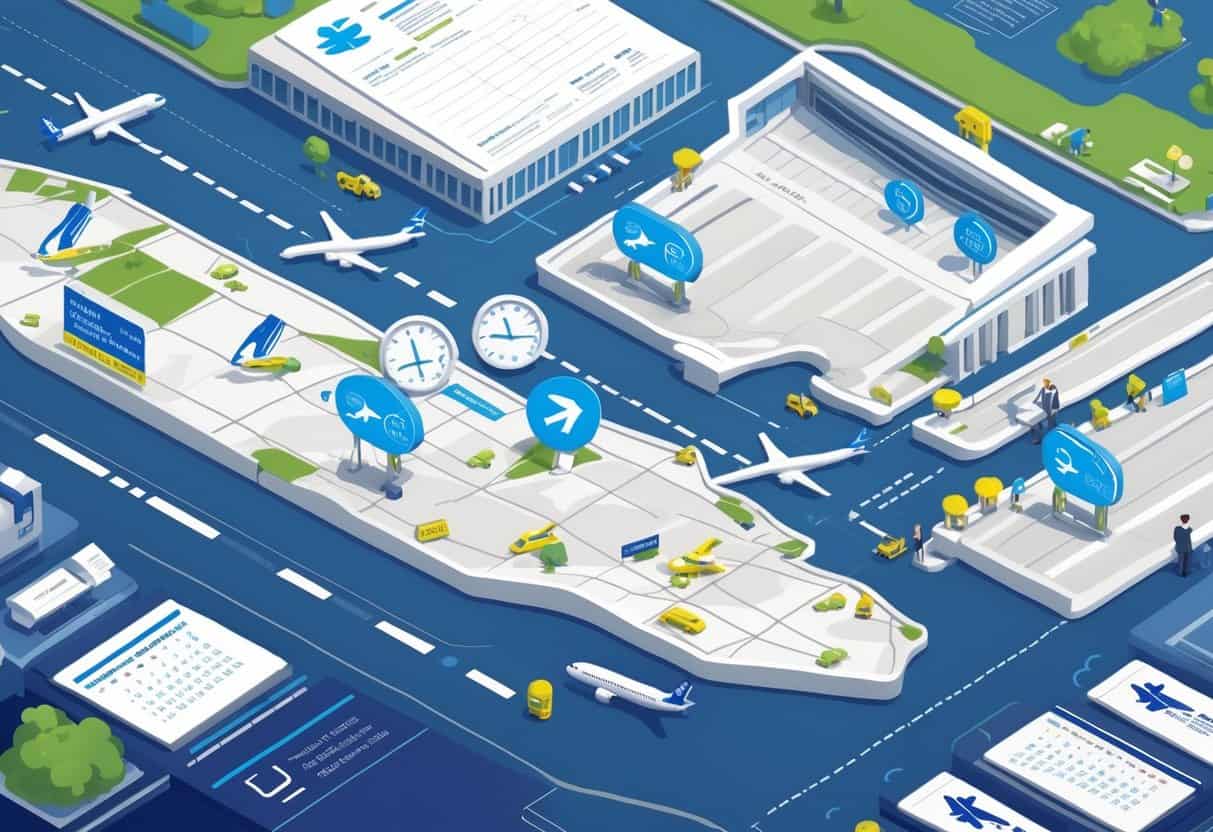
Flying in or out of New York City? You’ll probably run into some delays or cancellations at some point.
It helps to know what causes these disruptions and what rules airlines are supposed to follow.
Key Factors Behind Flight Cancellations and Delays
Flight delays and cancellations in New York usually come down to weather, air traffic control, and operational hiccups. Bad weather—think storms or thick fog—often leads to cancellations or keeps planes grounded for safety.
Heavy air traffic is another headache. NYC’s airports are among the busiest in the country, so congestion in the air or on the ground slows everything down.
Airline-specific issues like crew shortages, mechanical trouble, or late-arriving planes can also mess with your plans. These situations might mean you’ll need to ask for compensation or scramble for a new flight.
Role of the U.S. Department of Transportation Regulations
The U.S. Department of Transportation (DOT) has rules airlines must play by when flights are delayed or canceled. One key rule: if your flight is significantly delayed or canceled and it’s the airline’s fault, you’re entitled to a refund.
The DOT doesn’t force airlines to hand out cash for delays, but some carriers go the extra mile with their own policies. You should also get clear updates and info about any changes.
Knowing your rights makes it easier to push for a refund or other options. Always double-check what the airline promises when you book and after anything goes wrong.
Best Airlines for Managing Delays and Cancellations from NYC Airports
When you’re flying out of New York City, you want an airline that doesn’t leave you stranded. Picking a carrier with a good on-time record and flexible policies can save you a lot of hassle.
Performance of Major Airlines at JFK, EWR, and LGA
Delta Airlines is tough to beat for reliability at JFK and EWR. Their on-time stats are the best, and they cancel fewer flights than most.
JetBlue runs the most flights in NYC but tends to have more delays, especially at JFK. That’s something to keep in mind if you’re tight on time.
Southwest Airlines rarely cancels, with a cancellation rate around 0.83%. It’s a smart choice if you hate surprises. Frontier, though, has the highest cancellation rate—maybe skip them if you need a sure thing.
If being on time is your top priority, Delta’s your best bet. JetBlue fans should keep an eye on their flight status and be ready for possible hiccups.
Flexible Rebooking and Full Refund Policies
Most airlines now offer flexible rebooking when things go wrong. Delta and JetBlue let you switch to another flight without extra fees, so you can change plans quickly.
Delta and Southwest have straightforward refund policies if your flight gets canceled. JetBlue does refunds too, but sometimes you have to ask for it.
If your flight out of JFK or EWR is canceled, don’t wait—check your airline’s app or website ASAP. That’s usually faster than calling and gives you more options.
Hang onto your confirmation emails. Some airlines send automatic rebooking offers, which can save you time and stress.
External Influences on Flight Operations in New York
A lot of flight delays and cancellations in New York aren’t the airlines’ fault. Weather and air traffic control play a huge role in how smoothly things run.
Weather Impacts: Snow and Wind
Snow is a big disruptor at New York airports, especially in winter. Even a couple inches can slow everything down, since runways need to be cleared and planes have to be de-iced.
Wind can be just as tricky. Strong gusts make takeoffs and landings risky, so flights might get delayed or rerouted.
Both snow and wind cut airport capacity. That means flights get spaced out more, which bumps up your chances of waiting around or getting delayed.
Effects of Air Traffic and Transport Infrastructures
New York has some of the busiest airspace anywhere. Delays from crowded skies are pretty much a given.
When runways get packed, flights just have to wait their turn. This happens all the time at JFK, LaGuardia, and Newark.
The roads leading to these airports aren’t exactly a breeze, either. Bad traffic can slow down airport staff, which messes with everything from baggage handling to boarding.
If there’s poor coordination across the transport network, it only gets worse. Little hiccups turn into big bottlenecks, and suddenly your flight’s not going anywhere.