Table of Contents
Key Updates to Turkish Airlines Pet Policy for 2025
Turkish Airlines continues to improve its animal transport services, and the 2025 version of the pet policy brings several refinements travelers should note. The airline no longer accepts emotional support animals as a special category—only trained service dogs travel free in the cabin. The maximum in-cabin carrier dimensions have been slightly adjusted to align with newer aircraft under-seat storage: now a strict 23 cm x 30 cm x 40 cm (9 in x 11.8 in x 15.7 in) is enforced. Additionally, the carrier’s material must be rigid and ventilated on at least three sides; soft-sided carriers are rejected at many outstations. For cargo hold travel, all crates must carry a visible IATA compliance label, and the airline has introduced temperature embargo triggers of 29°C (85°F) and 7°C (45°F) at origin, transit, and destination airports, meaning live animal shipping may be suspended on extreme weather days.
These changes reflect global trends toward stricter animal welfare standards and clearer documentation requirements.
In-Cabin Pet Travel: Who Can Fly With You
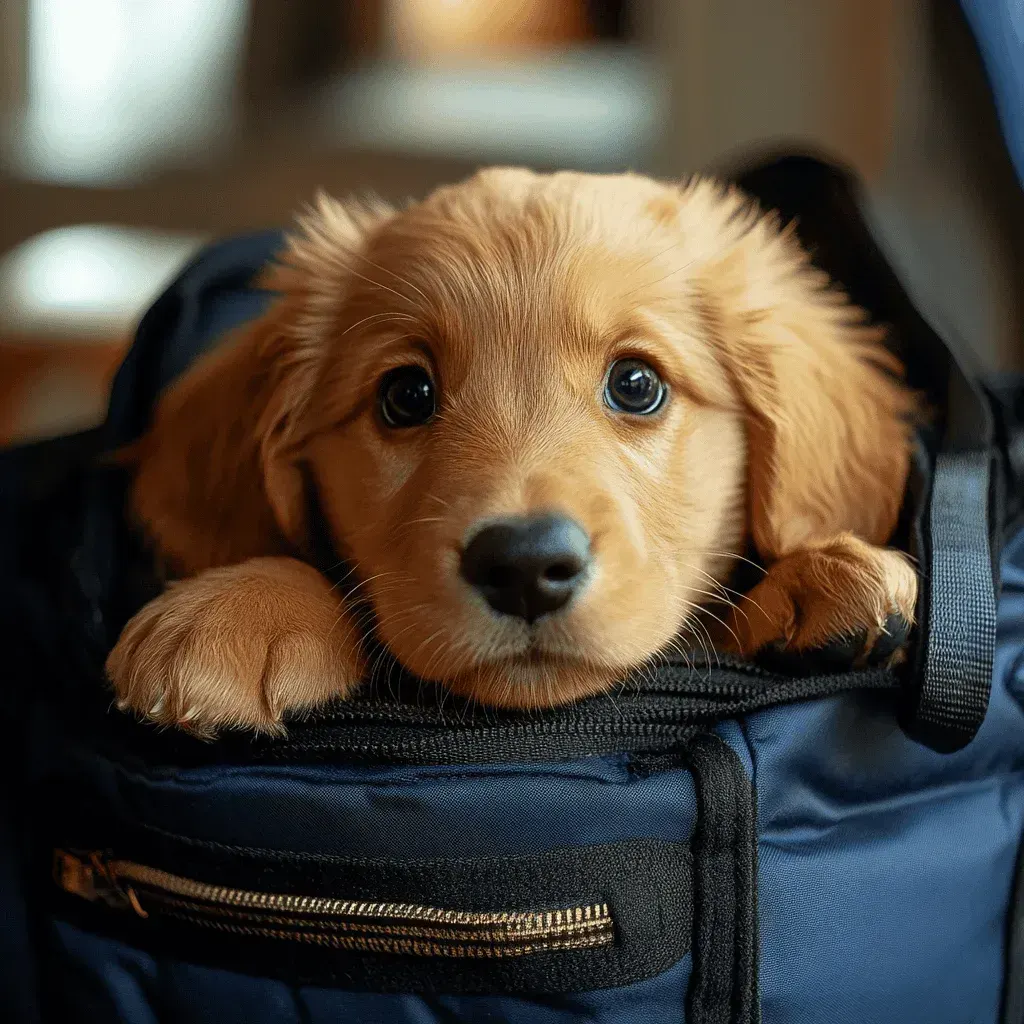
Traveling with your pet inside the passenger cabin remains the most desirable option, but capacity is extremely limited. Turkish Airlines typically accepts only two or three in-cabin animals per flight, allocated on a first-come, first-served basis. You cannot book a pet online; you must call the contact center or visit a sales office. Once booked, the pet fee must be paid before the day of travel, ideally during reservation confirmation. The in-cabin fee for 2025 ranges from €70 to €150 per segment, depending on the route.
Only domesticated dogs, cats, and small birds (finches, budgerigars, and canaries) are allowed inside the cabin. No rabbits, rodents, reptiles, or insects are permitted. Cats and dogs must be at least 10 weeks old for domestic Turkish flights and 16 weeks for international segments. The airline prohibits mixing species in the same cabin: if one passenger has a cat, another cannot bring a dog on the same flight, though exceptions are sometimes made for flights where only one pet is carried. Always disclose the species when making the reservation.
The combined weight of the animal and carrier is capped at 8 kilograms (17.6 pounds), and the carrier itself must be rigid. Turkish Airlines no longer accepts fabric or flexible carriers in the cabin on most routes. The carrier counts as your one piece of cabin baggage; you may bring a small purse or laptop bag only if it fits within the personal item dimensions allowed by your fare class, but enforcement varies. To avoid surprises, plan to travel with only the pet carrier as your hand luggage.
Documentation for In-Cabin Pets
Even though your pet stays under the seat, you must present a valid health certificate issued within 10 days of travel (some destinations require a certificate dated within 48 hours). The document must confirm your animal is in good health, free of contagious diseases, and fit for air travel. For international routes, a valid rabies vaccination certificate is indispensable. The vaccine must have been given at least 21 days before travel and not exceed one year, unless a three-year vaccine is clearly documented. Many countries now also require an ISO 11784/11785 microchip; the chip number must appear on the health certificate.
If you are transiting through the European Union, additional rules apply, including an EU pet passport (or third-country equivalent) and a rabies titer test if you originate from a non-listed country. The European Commission’s pet travel portal offers detailed country-by-country guidance.
Cargo Hold Transport: A Detailed Look
When your pet exceeds the cabin weight limit or when you are transporting multiple animals, the cargo hold is the only alternative. Turkish Airlines uses climate-controlled compartments on most wide-body aircraft, but it’s essential to verify this for your specific flight. Narrow-body planes may not guarantee active temperature regulation, and on some routes, live animal acceptance is suspended entirely during peak summer or winter months.
Cargo Crate Specifications and Preparation
The crate must be IATA-approved—this means solid wood, metal, or hard plastic with a leak-proof floor covered in absorbent material. The door must have a secure central locking mechanism that cannot be opened by the animal or by vibration. Spring-lock pins are preferred over simple slide bolts, and cable ties are discouraged because pets can chew them. Ventilation openings must cover all four sides, and the crate’s exterior must display “Live Animal” labels, directional arrows, and a label containing your contact information, the pet’s name, and a photo. Inside, you should attach a water dish that can be refilled from the outside; freeze the water before departure to avoid spillage early in the journey.
Absorbent bedding like veterinary fleece, newspaper, or shredded paper is recommended—never use hay, straw, or wood shavings, as they may be considered contamination risk by agricultural inspectors at the destination.
Maximum crate external dimensions are generally 75 cm x 75 cm x 125 cm (30 in x 30 in x 50 in). Heavier crates beyond 32 kg require special handling and may be routed via Turkish Cargo rather than as checked baggage; the cost is then calculated as air cargo, which can be significantly higher but offers additional services like dedicated animal lounges at Istanbul Airport. Always reserve cargo hold space at least 48 hours in advance, and earlier for popular holiday seasons.
Fees and Payment for Cargo Pets
Cargo pet fees are based on volumetric weight (length × width × height in centimeters divided by 6,000). For a small crate up to 23 kg, expect €150–€250; medium crates up to 32 kg cost €250–€350. Large crates or heavy animals are quoted on request. These charges are one-way and include handling, but not necessarily transit or quarantine fees at the destination. Payment is accepted during booking and at the airport, but pre-paying secures your spot.
On connecting flights, Turkish Airlines assesses a through rate only if the journey is booked on a single ticket and both flights are operated by the airline; code-share or partner-operated flights may involve a separate process.
Special Breed and Health Restrictions
Brachycephalic (flat-faced) breeds pose a higher risk during air travel due to their compromised respiratory systems. Turkish Airlines prohibits the following breeds from the cargo hold entirely: Bulldogs (English, French, American), Pugs, Boxers, Shih Tzus, Boston Terriers, Pekingese, Lhasa Apsos, and Bulldogs mixes. Similarly, Persian, Himalayan, and Exotic Shorthair cats are not accepted in cargo. Some of these breeds may still travel in the cabin if the weight limit is met, but always confirm with the airline before booking. A veterinary fitness-to-fly certificate might be requested for borderline cases.
The airline’s decision is final, as safety remains the top priority.
Temperature restrictions further affect brachycephalic animals; even in the cabin, if ground temperatures exceed 29°C (85°F) at departure or arrival, special processing may delay boarding until conditions improve. During winter, some destinations with extreme cold may refuse any animal in cargo. The IATA Live Animals Regulations list additional breed-specific guidance and are the industry standard.
Planning for Layovers and Connecting Flights
Layovers add complexity, especially when international transit jurisdictions are involved. Even if you remain airside, some countries—such as the United Kingdom or Australia—require import permits and official health certificates for any animal that touches their soil, even temporarily. The EU also enforces strict transiting rules: all animals passing through must be microchipped, vaccinated against rabies, and, for dogs from high-risk countries, have a successful rabies titer test. Always check the transit country’s specific pet import regulations via their embassy website or the USDA APHIS Pet Travel site if traveling through the United States.
At Istanbul Airport (IST), Turkish Airlines operates a Live Animal Lounge for cargo animals traveling with Turkish Cargo. This facility offers climate-controlled rooms, a veterinary nurse on call, and exercise areas. However, it is not automatically available for pets checked as baggage; you must request this service when booking and pay an additional handling fee. If your layover exceeds 6 hours, ask the airline what care the animal will receive—water should be provided, and on request, a walk or litter box break may be arranged for dogs in the lounge. Always carry a collapsible water bowl and small amounts of your pet’s regular food for in-cabin connections.
Service Dogs: An Exception
Only individually trained service dogs are permitted in the cabin without a carrier, free of charge, and they are not subject to the brachycephalic restrictions. The passenger must provide documentation of the dog’s training and, for many international routes, a medical certificate justifying the need. The dog must be harnessed, leashed, and able to fit at the passenger’s feet without obstructing the aisle. Emotional support animals, therapy dogs, and companionship animals are reclassified as pets and must follow all standard pet travel rules, including carrier size, weight limits, and applicable fees. This policy is strict and consistently enforced across the network.
Step-by-Step Booking Process
- Reserve early: Contact Turkish Airlines call center or a sales office. Have your flight details, pet’s breed, age, weight, and carrier measurements ready.
- Submit medical records: Send a scan of the health certificate and vaccination records if requested. The airline may ask for advanced approval, especially for cargo pets.
- Pay the fee: Receive a written confirmation and payment receipt. Store this with your travel documents.
- Confirm the flight: 72 hours before departure, call to re-confirm that live animal acceptance is still approved; temperature embargoes can be imposed on short notice.
- Prepare the carrier: Follow all labeling instructions, attach food and water dishes, and include a familiar-smelling item.
Common Pitfalls and How to Avoid Them
- Arriving late: Check-in for passengers with pets can take 30–60 minutes. Missing the check-in deadline may result in denied boarding.
- Incomplete microchip: If the microchip number on the health certificate does not match the scanned chip, you may be refused. Ensure the chip is inserted before the rabies vaccination and that both numbers are recorded correctly.
- Soft-sided carriers: Even if some stations allowed them in the past, the 2025 policy requires rigid carriers. Don’t risk being turned away.
- Assumed connections: If your pet is in cargo and you have a self-transfer, the airline is not responsible for transferring the animal. Book a single itinerary.
- Lack of transit permits: Always verify transit visa/permit requirements; some countries fine air carriers that transport animals without proper clearance.
Sample Reference Costs for Popular Routes
| Route | In-Cabin (1 Pet) | Cargo up to 23 kg | Cargo 23–32 kg |
|---|---|---|---|
| Istanbul–London | €80–€100 | €160–€210 | €260–€310 |
| Istanbul–New York | €120–€150 | €240–€300 | €320–€380 |
| Istanbul–Dubai | €70–€90 | €150–€190 | €240–€290 |
| Istanbul–Frankfurt | €80–€100 | €150–€200 | €250–€300 |
| Istanbul–Moscow | €70–€90 | €140–€180 | €220–€270 |
Fees are one-way, subject to change, and do not include additional services or transit charges. Always request an updated quote when booking.
Day of Departure: A Timeline
3 hours before flight: Arrive at the airport and proceed directly to the full-service check-in counter. Have all documents in hand. The agent will inspect the carrier, verify the health certificate, and collect any outstanding fees. You will receive a boarding pass with a pet endorsement.
At security: You may be directed to a separate screening lane. Remove your pet from the carrier while it goes through the X-ray; keep the animal in a secure harness. Then place the pet back in the carrier immediately.
At the gate: Find a quiet spot away from loudspeakers. Offer water but no food. Boarding typically occurs after families with small children but before general boarding. The pet carrier must be placed under the seat in front of you; the cabin crew will check that it does not block the aisle or emergency exits.
During flight: Do not open the carrier. If your pet shows signs of distress, alert the crew. They can adjust cabin temperature or offer advice, but they cannot remove the animal.
After landing: For in-cabin pets, keep the carrier closed until you are in a designated pet area inside the terminal. For cargo pets, go to the oversized baggage area or the live animal reception facility; a Turkish Airlines representative will guide you. Inspect your pet for any health issues, offer water, and if necessary, visit a veterinary clinic immediately.
Post-Flight and Arrival Formalities
Customs and quarantine inspections differ by country. In the EU, an official veterinarian checks the pet’s microchip, passport, and health certificate. Some countries require a veterinary import permit that you must obtain weeks in advance. If your pet does not meet entry requirements, it may be quarantined at your expense or returned to the origin. Always research the destination’s import rules on the official agricultural ministry site.
A reliable starting point is the USDA APHIS Pet Travel website for U.S. entries, or the UK government pet travel page for the United Kingdom.
Keep all paperwork for future journeys; many countries will ask for vaccination records even if you are just transiting back through the same airport. A digital copy on your phone is useful, but always carry the originals.
Frequently Asked Questions
1. Can I bring two pets in the cabin if they share a carrier?
No. Turkish Airlines permits only one pet carrier per passenger, and each carrier may hold only one live animal. The second pet must travel in the cargo hold, even if the combined weight would otherwise be within limits.
2. Are snub-nosed breeds allowed in the cabin?
Yes, if the total weight with carrier does not exceed 8 kg and the animal fits comfortably under the seat. However, passengers should be aware that boarding may be denied if temperatures are extreme; always check the day before departure.
3. What type of water dish is recommended for cargo travel?
Use a heavy, non-tip bowl that attaches to the inside of the crate door. Freeze the water overnight so it melts gradually during the journey. Do not put the dish on the floor where it can be knocked over.
4. Can my pet travel as checked baggage on a different flight?
In most cases, pets must travel on the same flight as the passenger. Turkish Airlines does not accept live animals as unaccompanied baggage unless shipped through Turkish Cargo with a designated consignee. Contact Turkish Cargo directly for standalone animal shipments.
5. How do I handle a weather embargo?
If an embargo is announced, the airline will contact you to rebook. You may change your travel dates without penalty, or your pet can be rerouted. Prepare by monitoring temperatures at your origin, transit, and destination, and have a backup plan.
In-cabin pets are rarely subject to embargoes, so that might be a safer choice during extreme months.
6. Is there an age limit for senior pets?
There is no formal upper age limit, but older animals with chronic health conditions may be at higher risk. A veterinary fitness-to-fly exam is recommended, and some countries require a certificate stating the animal is fit for travel regardless of age. The airline reserves the right to refuse any animal that appears unwell or in distress at check-in.
7. Can I track my pet during the flight?
Turkish Airlines does not offer real-time pet tracking. However, the crew is informed when live animals are in the cargo hold, and the temperature is monitored from the cockpit. For extra reassurance, you can place a GPS tracker approved for aviation use inside the crate (with permission, and battery rules apply).
8. What if my connecting flight is delayed and my pet is in cargo?
Inform the cabin crew or ground staff. Istanbul Airport’s animal lounge can accommodate pets during extended delays. Turkish Airlines’ policy is to provide water and a vet check if the delay exceeds four hours.
Keep your phone on so the airline can reach you.
For the most current information, always visit the official Turkish Airlines pet travel page or call the customer service center. Pet travel regulations evolve frequently, and what worked a year ago may have changed. By staying informed, packing the right carrier, and handling paperwork meticulously, you give your animal companion the safest, most comfortable journey possible.