Table of Contents
Revisiting the Two‑Hour Rule: Why Airport Arrival Timing Is More Nuanced in 2025

Air travel provokes a set of ritual questions, but few cause as much quiet stress as “How early should I really get to the airport?” The advice you heard a decade ago—two hours for domestic flights, three for international—still provides a solid foundation, yet modern airports, shifting airline policies, and new screening technologies have added layers that can either save you 30 minutes or cost you an entire trip. Getting the timing right means you avoid both the frantic dash through the terminal and the hollow exhaustion of sitting at the gate for two hours before boarding even begins.
This guide examines the factors that determine your ideal arrival time in 2025: airline‑specific check‑in and baggage deadlines, airport layout and passenger volume, the real impact of trusted traveler programs, and seasonal disruptions that can turn a quiet Tuesday into a madhouse. You’ll find actionable, carrier‑by‑carrier recommendations and a practical checklist to adapt the advice to your specific itinerary.
The Baseline: Why Two and Three Hours Remain the Standard

For U.S. domestic flights, arriving at the airport two hours before departure continues to serve most travelers well. That block of time covers the journey from the parking lot or curb to the boarding gate, with room for the typical friction points: dropping checked luggage, clearing security, and walking—or riding a train—to sometimes distant concourses. At smaller regional airports with a single terminal and predictable security lines, 90 minutes frequently proves enough for carry‑on‑only passengers. At major hubs, however, where the distance from the TSA checkpoint to the farthest gate can exceed a 20‑minute brisk walk, that two‑hour buffer becomes the minimum rather than a generous allowance.
International travel demands a three‑hour arrival window. The additional hour accounts for mandatory document checks—airline agents must physically verify passports and visas before issuing a boarding pass—potentially more rigorous security screenings, and earlier boarding times for wide‑body aircraft. On many international routes, boarding begins 45 to 60 minutes before departure, and the boarding door may close a full 15 to 20 minutes prior to pushback. Missing that cutoff is rarely a simple rebooking; it can unravel connections, hotel reservations, and activities at your destination.
Both recommendations assume a normal travel day without major weather events or holiday surges. They also assume you are not checking oversized items, traveling with pets, or navigating a reduced‑mobility situation that requires extra assistance. Each of these variables nudges your timeline forward.
Domestic Flights: Breaking Down the Two‑Hour Window
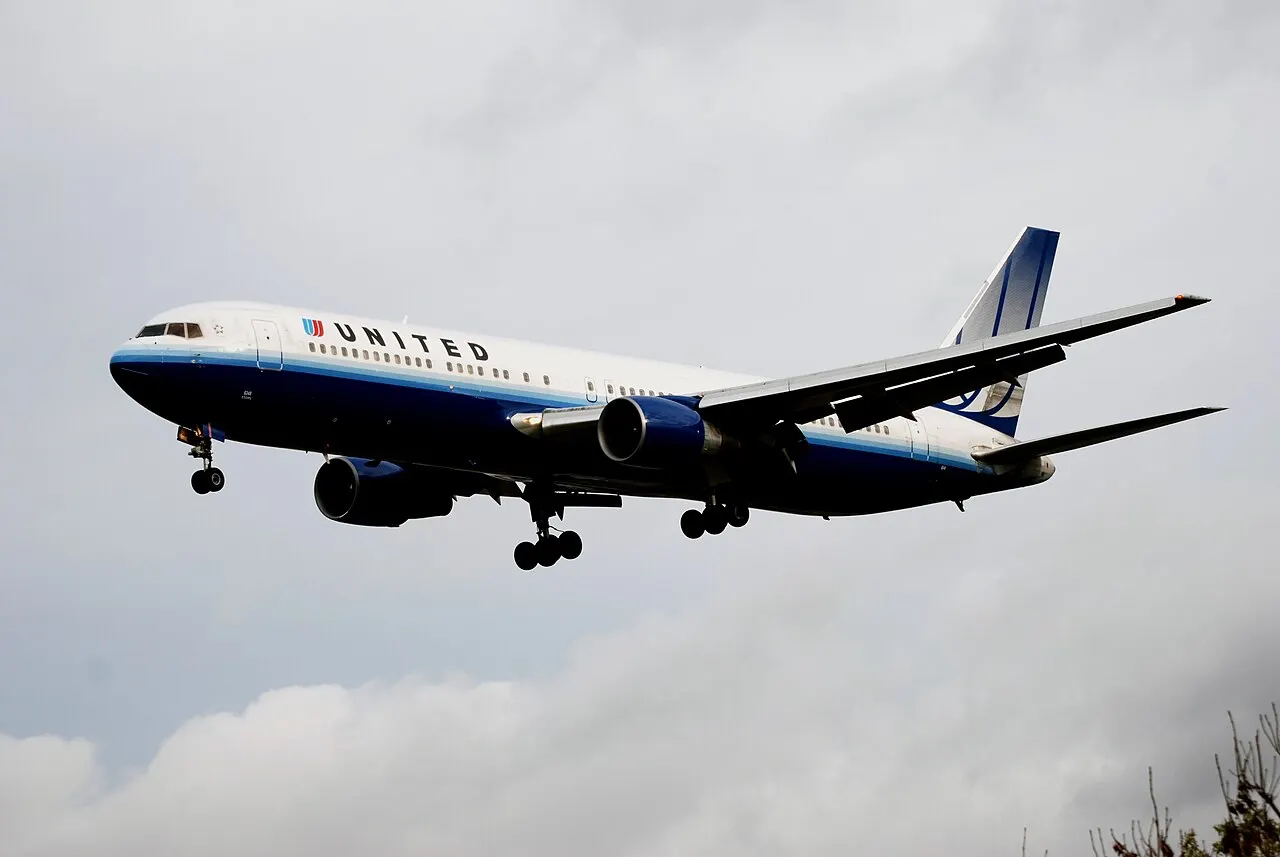
To understand when to arrive, first map what happens between the minute you step out of your transportation and the moment you hear your boarding group called. This breakdown helps you compress or expand the window intelligently.
Ground Transportation and Parking
If you drive, airport parking facilities often rely on shuttle buses that run on loops. During early‑morning rush hours—when multiple banked departures occur simultaneously—shuttles can fill up, and wait times stretch unexpectedly. Budget an extra 15 to 20 minutes if you plan to park in a remote lot or an off‑airport facility. Ride‑share services eliminate the shuttle variable but introduce their own uncertainties: surge pricing may delay driver acceptance, and terminal access roads can clog during peak arrival waves. In both scenarios, checking real‑time traffic conditions and the airport’s recommended drop‑off approach before you leave home is a small step that can prevent a tight squeeze.
Baggage Check‑In and Deadlines
Even if you complete online check‑in 24 hours before departure, any checked luggage forces you to visit a counter or a self‑service kiosk. Major U.S. carriers typically stop accepting checked bags for domestic flights 45 minutes before departure. Some low‑cost carriers enforce a 60‑minute cutoff. Arriving at the baggage line 44 minutes ahead means you may be refused, regardless of whether you hold a boarding pass. To meet that deadline comfortably, you need to be at the counter no later than 60 minutes before departure, and earlier during busy periods when lines snake.
If you are traveling with only a carry‑on and a personal item, you bypass this entirely and can subtract 15‑30 minutes from your required lead time—provided you have already obtained a mobile or printed boarding pass.
Security Screening Realities
The security checkpoint remains the biggest unknown. The Transportation Security Administration (TSA) publishes real‑time wait estimates through its MyTSA app, and historical data shows that Monday mornings and Thursday/Friday afternoons consistently see the longest lines. At large airports, standard screening wait times can range from 20 to 45 minutes on a typical weekday, and soar past an hour during holiday surges. TSA PreCheck members usually move through in under 10 minutes, but even dedicated PreCheck lanes can bottleneck when business travelers en masse arrive for the first flights of the day. If you hold PreCheck and are not checking a bag, a 90‑minute arrival for domestic flights often works well, but it pays to verify your specific airport’s typical flow and the distance from checkpoint to gate.
Gate Transit Time
Small airports might place you at your gate within five minutes of clearing security. At sprawling complexes like Denver International, Dallas/Fort Worth, or Atlanta, reaching a satellite concourse can involve a train ride that consumes 15 to 20 minutes. Factor that walk into your timeline, and remember that boarding for domestic flights normally starts 30‑35 minutes before departure, with the door closing 10‑15 minutes prior. The math is straightforward: if you aim to be at the gate no later than 30 minutes before departure, you must exit security with time to spare. A two‑hour arrival provides that cushion for most itineraries.
International Departures: The Three‑Hour Standard in Detail

International flights introduce distinct requirements that easily consume an extra hour. Here’s what that time gets spent on.
Document Verification
Before you approach the security checkpoint, the airline must confirm you hold a valid passport and any required visas, electronic travel authorizations, or health‑related documents. Many carriers will not issue an international boarding pass until an agent physically inspects these credentials. If a passport is set to expire within a destination’s validity window—most countries require at least six months of remaining validity—or if there is a name mismatch between a ticket and a travel document, resolving the issue can take 30 minutes or longer. Having that conversation with an hour or less until departure puts you at serious risk of being denied boarding.
Enhanced Screening and Secondary Checks
Certain international routes prompt additional questioning at the gate, often conducted by airline security staff or, in some cases, destination‑country authorities who perform pre‑departure checks. At airports that offer U.S. Customs and Border Protection (CBP) preclearance for flights to the United States, the process adds a separate layer of document verification and security screening before you even board. While preclearance is most commonly encountered when returning to the U.S. from abroad, some partner nations apply similar protocols outbound. These procedures are not bypassable with any trusted traveler status and can extend your journey from check‑in to gate by 30 minutes or more.
Earlier Boarding and Baggage Cutoffs
Wide‑body jets used on long‑haul international routes typically begin boarding 45 to 60 minutes before scheduled departure, compared with 30 minutes for many domestic narrow‑bodies. The baggage acceptance cutoff for international flights is usually 60 minutes before departure, and some airlines move that to 90 minutes for certain destinations. Oversized, overweight, or specialty luggage—golf clubs, skis, large musical instruments—often must be presented at a separate counter that moves more slowly. If your itinerary includes a connecting flight on a separate ticket, you also need to allow time to re‑check bags and clear security again if you’re transiting through a U.S. gateway from a domestic feeder flight.
Trusted traveler programs like Global Entry grant expedited re‑entry to the United States, not expedited departure. Global Entry members receive TSA PreCheck as a side benefit, which speeds domestic‑style security, but the airline’s document verification and international baggage deadlines still rule. For an international departure, the three‑hour window remains the well‑tested foundation.
Carrier‑Specific Recommendations You Can Act On

While the two/three‑hour framework applies broadly, each major U.S. airline publishes its own suggested arrival times and checkpoint cutoffs. The following summaries cover the largest domestic and international carriers in 2025. Use them alongside the general advice for a tailored plan.
Delta Air Lines
- Domestic arrival: 2 hours before departure.
- International arrival: 3 hours before departure.
- Domestic check‑in deadline: 30 minutes prior at most airports; some small stations close at 45 minutes.
- International check‑in deadline: 1 hour before departure.
- Baggage drop: Closes 45 minutes before domestic flights, 60 minutes before international.
- Key note: At hub airports like Atlanta (ATL) and New York (JFK), Delta explicitly recommends additional time due to terminal size and passenger volume. Sky Priority lanes for premium cabins can shorten counter waits, but they do not change security or gate‑closing times.
American Airlines
- Domestic arrival: 2 hours before departure.
- International arrival: At least 3 hours before departure.
- Domestic check‑in deadline: 45 minutes prior.
- International check‑in deadline: 1 hour prior.
- Baggage drop: Closes 45 minutes before domestic, 60 minutes before international.
- Key note: American flags flights to Asia, Europe, and South America as requiring heightened document scrutiny, and its Miami (MIA) hub’s international concourses can demand substantial walking time. The three‑hour buffer is a working minimum at MIA.
United Airlines
- Domestic arrival: 2 hours before departure.
- International arrival: 3 hours before departure.
- Domestic check‑in deadline: 45 minutes prior.
- International check‑in deadline: 1 hour prior.
- Baggage drop: Closes 45 minutes before domestic, 60 minutes before international.
- Key note: At Newark (EWR) and Chicago O’Hare (ORD), peak security wait times can exceed 30 minutes even for PreCheck. United advises passengers to confirm specific airport requirements, especially for destinations with additional local document‑verification hours.
Southwest Airlines
- Domestic arrival: 2 hours before departure.
- Check‑in deadline: 30 minutes prior.
- Baggage drop: Closes 45 minutes prior.
- Key note: Southwest’s unique open‑seating model means your boarding position is set by online check‑in 24 hours in advance; arriving early at the airport does not improve it. For its limited international routes to Mexico, the Caribbean, and Central America, the three‑hour recommendation holds, and a passport check is mandatory.
JetBlue Airways
- Domestic arrival: 2 hours before departure.
- International arrival: 3 hours before departure.
- Domestic check‑in deadline: 40 minutes prior.
- International check‑in deadline: 60 minutes prior.
- Baggage drop: Closes 40 minutes before domestic, 60 minutes before international.
- Key note: JetBlue specifically highlights Caribbean and Latin American routes for extra document‑check time. Staff may require proof of onward or return travel, and missing paperwork can lead to protracted counter discussions.
Alaska Airlines
- Domestic arrival: 2 hours before departure.
- International arrival: 3 hours before departure.
- Domestic check‑in deadline: 40 minutes prior.
- International check‑in deadline: 1 hour prior.
- Baggage drop: Closes 40 minutes before domestic, 60 minutes before international.
- Key note: West Coast hubs like Seattle (SEA) and Los Angeles (LAX) involve long walks from check‑in to international gates. Travelers with pets, sports equipment, or oversized items should add 20‑30 minutes because specialty drop‑off counters can move slowly.
Airport Size, Layout, and Passenger Flow: Adapting to Your Environment

Airports are not interchangeable. The time it takes to traverse from the curb to the gate can vary by half an hour or more depending on the facility. Understanding the typology of your departure airport helps you refine the generic two/three‑hour rule.
Small regional airports: At places like Burbank (BUR), Bozeman (BZN), or Burlington (BTV), security checkpoints are often a single lane, parking is close, and gates are a few minutes away. For a domestic flight with carry‑on only, 90 minutes is frequently sufficient. However, during the morning bank of departures when several flights leave within an hour, even these airports can develop queues. If you are checking a bag, stick closer to two hours.
Midsize and growing airports: Airports like Austin (AUS), Nashville (BNA), and Portland (PDX) sit in a middle ground. They have multiple concourses, sometimes connected by moving walkways rather than trains, and security can back up during peak leisure travel windows. Two hours domestic remains wise; three hours international is advisable if you don’t know the terminal layout.
Mega‑hubs: Atlanta (ATL), Dallas/Fort Worth (DFW), Denver (DEN), Chicago O’Hare (ORD), Los Angeles (LAX), and San Francisco (SFO) belong to a category where a 20‑minute post‑security walk or train ride is common. Security wait times at these airports regularly reach 30‑50 minutes in standard lanes during weekday rushes. In these environments, domestic passengers checking bags should consider arriving 2 hours and 15 minutes ahead, and international passengers should arrive a full 3 hours to 3 hours and 30 minutes before departure, particularly if their flight leaves during the 3–6 PM afternoon wave.
Time of day and day of week: Monday mornings from 5–8 AM and Thursday/Friday afternoons concentrate business travelers. Sunday afternoons and evenings bring the weekend‑return leisure crowd. On these peak windows, add 15‑30 minutes to your intended arrival. For off‑peak hours—like a midday Tuesday—the base recommendation often holds without additional padding.
Online Check‑In, Kiosk Evolution, and the Bag‑Drop Bottleneck
Your airport experience starts well before you reach the terminal. Checking in via the airline’s app 24 hours before departure and downloading a mobile boarding pass eliminates the need to visit a check‑in counter entirely if you travel with carry‑on only. This step alone can save you 10‑30 minutes at the airport. However, if you have luggage to check, online check‑in is only half the equation. You must still approach a self‑service kiosk or a staffed counter to tag and surrender your bags.
Many carriers now deploy self‑tagging stations where you print your own bag tag and hand the suitcase to an agent. While these stations often move faster than a full‑service counter, they can jam up when inexperienced travelers struggle with the touchscreen. The bag‑drop cutoff is still enforced: an airline will not accept a bag even one minute after its published deadline, even if you have already checked in and obtained a boarding pass.
A number of airports have introduced biometric boarding gates that scan your face instead of a boarding pass, and automated passport control kiosks for international arrivals. These technologies can make the boarding process smoother, but they do not reduce the time needed for security screening or document checks on the departure side. Your primary timing variable remains the security checkpoint; all other innovations simply improve the flow once you’re past it.
Trusted Traveler Programs and How They Shift Your Timeline

Programs that grant expedited screening can let you trim your arrival window, but only within realistic limits. Here’s how each program fits into your planning.
TSA PreCheck: For domestic flights with carry‑on only, travelers with PreCheck can often arrive 90 minutes before departure at midsize airports and 2 hours at large hubs, as long as they’ve confirmed their gate proximity. PreCheck lanes typically keep moving under 10 minutes, but holiday surges can change that. If you are checking a bag, you must still meet the baggage cutoff, which usually keeps you in the 2‑hour range. For international flights, PreCheck doesn’t shorten the document‑check step, so the three‑hour guideline remains.
Global Entry: Since Global Entry includes TSA PreCheck, the same domestic timing benefits apply. The program’s primary purpose is to expedite re‑entry to the U.S. after an international trip, not departure. For outbound international travel, Global Entry does nothing to accelerate the airline’s passport and visa verification, so do not attempt to cut the three‑hour window on the basis of Global Entry membership.
CLEAR: This private biometric service escorts you to the front of the physical security line, bypassing the TSA officer who checks IDs. At airports where PreCheck lines can still grow long, CLEAR plus PreCheck delivers the fastest curb‑to‑gate experience. CLEAR alone, without PreCheck, only cuts the ID‑check queue; you’ll still face standard screening with full removal of shoes and electronics. For domestic travel with carry‑on only, CLEAR with PreCheck can make a 75‑minute arrival at a mid‑size airport feasible, but monitor real‑time airport conditions. International deadlines remain unaffected.
Seasonal Peaks, Weather Events, and Special Circumstances
The two/three‑hour baseline works for a routine Tuesday in April. Real travel often coincides with concentrated demand and operational stressors. Adjusting your arrival time for these situations can mean the difference between a calm boarding and a missed flight.
Holiday travel: The Wednesday before Thanksgiving, the Friday before Christmas, and the Sunday after New Year’s see passenger volumes that can be 20‑40% above average. Standard security queues at major airports can stretch to 90 minutes or longer. During these periods, add 30 to 60 minutes to the standard recommendation. A domestic flight on the Sunday after Thanksgiving deserves an international‑style three‑hour buffer.
Spring break: The cluster of weeks from early March through mid‑April sees heavy leisure traffic, especially to beach destinations. Airports in Florida, the Caribbean, and Mexico gateways can be overwhelmed. Peak spring‑break weekends mirror holiday conditions, so apply the same extra margin.
Weather disruptions: Winter storms in the Northeast or Midwest can trigger de‑icing delays, ground stops, and cascading flight cancellations. Summer thunderstorms in the Southeast or at major connecting hubs like Dallas/Fort Worth or Atlanta can halt operations for hours. In these conditions, arriving early gives you more than a shot at your flight; it positions you to be rebooked quickly if your original service is scrubbed. Monitor the Federal Aviation Administration’s (fly.faa.gov) airport delay information and your airline’s app for proactive alerts.
Special events: Large conferences, major sports championships, or concerts by globally popular artists can strain a city’s airport beyond its typical capacity. Ride‑share availability can evaporate, parking garages can fill, and security lines can balloon unexpectedly. If your travel coincides with such an event, research the airport’s advisories in advance and consider adding 45‑60 minutes.
Construction and terminal changes: Airports are in a constant state of renovation. A closed checkpoint, a temporary pedestrian tunnel, or a relocated ride‑share pickup zone can turn a familiar route into a labyrinth. Airline and airport websites usually post construction alerts; check them a day before you travel.
The Consequences of Cutting It Too Close
When you miss the check‑in cutoff or arrive after the boarding door closes, the airline most often classifies you as a no‑show. Depending on your fare class, this may result in the cancellation of your entire itinerary—including return flights—and the loss of the ticket’s value. Some major carriers have softened their policies over the last few years, offering same‑day standby or rebooking for a modest fee if you physically arrive at the airport and contact them shortly after the cutoff. Low‑cost and ultra‑low‑cost carriers, however, are far less flexible; you may be required to buy a brand‑new ticket at the walk‑up fare.
The informal “flat tire rule”—an unwritten courtesy where an agent may put you on standby for a later flight if you show up within a short window after a delay—still exists in some airline cultures, but it is not a policy you can rely on. The only dependable safeguard is to build a buffer that absorbs common delays: traffic on the airport access road, a shuttle that ran full, a bag‑drop line that moved slower than expected. If you realize en route that you will miss the baggage cutoff, try to rebook through the airline’s app or customer service line before arriving; you may preserve most of your ticket’s value and salvage a later departure.
Practical Arrival Checklist
Use this summary to set your own arrival target for any itinerary:
- Domestic, carry‑on only, with TSA PreCheck: 90 minutes before departure at small/regional airports; 2 hours at large hubs.
- Domestic, checking a bag: 2 hours minimum to meet the 45‑minute baggage cutoff, regardless of airport size.
- International, any airline: 3 hours before departure. Increase to 3 hours 30 minutes when departing from megahubs, during peak holidays, or if you have oversized luggage.
- Peak travel days: Add 30‑60 minutes to the standard recommendation.
- Online check‑in: Complete 24 hours prior to save counter time; it does not alter baggage deadlines.
- Monitor real‑time data: Use the TSA’s MyTSA app, your airline’s app, and FAA delay information to adjust your departure from home.
- Gate distance: Confirm your gate’s location and the transit time from the checkpoint; a far concourse can easily add 15‑20 minutes.
- Special circumstances: If you are traveling with pets, sporting equipment, or need wheelchair assistance, increase your buffer by 20‑30 minutes.
Choosing an arrival time is less about a single magic number and more about stacking realistic margins. When you walk onto the jet bridge unhurried, with your belongings in order and your documents verified, you’ve converted planning into peace of mind. That’s the real benchmark for getting it right.