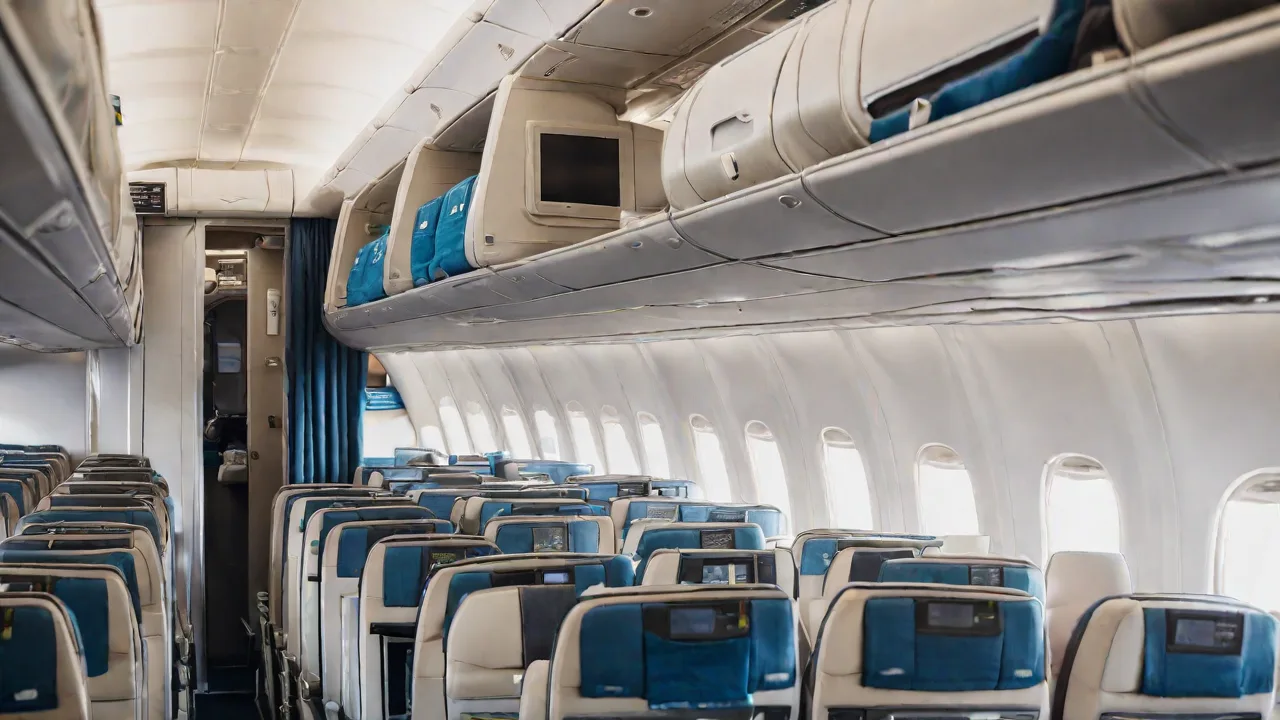
Airline Policies Regarding Temperature Control and Cabin Comfort Settings
Introduction: Why Cabin Climate Matters
Airline passengers often rank cabin temperature among the top factors that influence in-flight comfort, alongside seat width and legroom. Surveys and online reviews consistently show that complaints about being too cold or too hot are among the most common issues raised. While ticket price, entertainment options, and dining quality grab headlines, the environment inside the cabin—specifically temperature, humidity, and airflow—can make or break a long-haul journey. Airlines invest heavily in sophisticated climate control systems because passenger satisfaction directly drives repeat business and brand loyalty. A cabin that is too warm can lead to drowsiness, dehydration, and even motion sickness; one that is too cold can cause shivering, muscle tension, and difficulty sleeping. Balancing these variables requires well-defined policies, advanced technology, and well-trained cabin crew who can adjust conditions in real time. In this guide, we examine how airlines manage temperature control, the tools they provide to passengers, the operational challenges they face at altitude, and practical steps you can take to stay comfortable no matter where you sit.
How Cabin Climate Control Systems Work
Modern aircraft rely on a combination of engine bleed air, air conditioning packs, and recirculation systems to regulate temperature and pressurization. High‑temperature, high‑pressure air is bled from the engine compressors or the auxiliary power unit (APU) during ground operations. This air is then cooled by passing through heat exchangers and air cycle machines (often called “packs”) that use expansion and compression to remove heat. The conditioned air is mixed with filtered recirculated cabin air—typically a 50/50 blend—to conserve energy while maintaining oxygen levels. The mixture is distributed through overhead ducts and directed into the cabin via sidewall diffusers and individual gasper vents. Every aircraft has an Environmental Control System (ECS) that uses temperature sensors in each zone to continuously adjust the mix ratio and flow rate. The ECS also controls pressurization by regulating outflow valves, which dump air overboard.
Most commercial jets target a cabin temperature between 20°C and 24°C (68°F to 75°F). This range is based on industry guidelines from bodies like the Federal Aviation Administration (FAA) and the International Air Transport Association (IATA). Airlines typically default to around 22°C (72°F) but pilots can override the setting from the cockpit based on flight conditions or passenger feedback. During boarding, the cabin is often pre‑cooled or pre‑heated to ease the transition from the terminal—important when passengers enter from a hot tarmac or a cold jetway. After takeoff, the system automatically recalibrates to compensate for the dramatic temperature drop outside (which can reach –50°C at cruise altitude).
Humidity is another critical factor. At cruising altitude, cabin air is extremely dry—often below 20% relative humidity—because aircraft do not carry large humidifiers; they would add significant weight and introduce corrosion risk. This dryness contributes to dry eyes, scratchy throats, and dehydrated skin, which in turn makes passengers feel colder. Smart airlines address this by offering bottled water throughout the flight, providing moisturizing amenities, and advising passengers to hydrate before boarding. For technical details, the FAA Advisory Circulars on cabin environmental systems provide comprehensive information.
Standard Cabin Temperature Ranges and Airline Policies
Every major airline has a documented policy for managing cabin temperature. While the general range of 20°C–24°C is consistent, individual carriers adjust based on routes, aircraft type, passenger demographics, and even time of day. For example, airlines flying from hot climates like the Middle East often set the cabin cooler upon boarding to counteract the heat passengers bring in. Carriers operating from colder regions may start the cabin warmer and gradually cool it after takeoff.
Airline-Specific Approaches
- Delta Air Lines trains its cabin crew to check passenger comfort during meal service and proactively offer blankets or adjust overhead vents. On long‑haul flights, Delta uses a “comfort index” derived from real‑time crew reports and historical data to fine‑tune zone temperatures.
- Emirates employs seven independent temperature zones on its Airbus A380 and A350 aircraft, allowing different sections of the cabin to be set to different temperatures. First and business class cabins are often kept slightly warmer than economy to suit the premium service style.
- Singapore Airlines has a policy of keeping the cabin on the cooler side during overnight flights to promote sleep, then warming it during meal services. Their crew are instructed to offer blankets immediately after takeoff and to check on elderly passengers or infants.
- Ryanair and other low‑cost carriers typically maintain a cooler cabin to reduce fuel consumption (since running the packs at higher output increases engine bleed drag). Passengers are encouraged to bring layers, and blankets may be available for purchase.
Common policy elements across all airlines include pre‑boarding thermal conditioning, continuous monitoring via sensors and crew observation, pilot override capability, and post‑takeoff stabilization. Energy efficiency is always a balancing factor; running the ECS at maximum output consumes measurable extra fuel. Many carriers therefore set the cabin a degree or two cooler during the cruise phase and warm it slightly during meal services or the final descent. IATA publishes passenger experience standards that help airlines benchmark their climate management practices.
Passenger-Adjustable Controls
While the primary temperature is set centrally, passengers have several tools to create their own microclimate. Understanding and using these controls correctly can dramatically improve comfort.
Overhead Air Vents (Gasper Vents)
Every passenger seat has a directional air nozzle that delivers conditioned air a few degrees cooler than the ambient cabin. By opening or closing the vent and aiming the airflow, you can create a local draft that cools you or leaves you undisturbed. Key tip: If you feel cold, close the vent completely; many passengers mistakenly think closing it redirects air to others—it does, but the most important effect is that you feel less airflow. If you feel warm, open the vent fully and aim it at your face or chest. Adjusting the vent is often the quickest way to achieve personal comfort without needing a blanket.
Seat-Integrated Climate Features
On newer long‑haul aircraft like the Boeing 787, Airbus A350, and many premium cabins, seats offer individual heating and cooling. For example, Emirates First Class features seats that can be cooled or heated independently, while Qatar Airways Qsuite has a “Do Not Disturb” mode that adjusts airflow and lighting. Some economy seats now include personal fans integrated into the seatback (e.g., on Air New Zealand’s new B787-9s). These features are becoming more common as airlines invest in passenger well‑being and differentiate their products.
Onboard Amenities for Thermal Comfort
Blankets and pillows remain the most requested items for warmth. Major airlines stock them on long‑haul flights, and premium cabins offer high‑quality duvets and mattress pads. Many carriers now provide “comfort kits” containing socks, eye masks, and earplugs. If you feel chilly despite using the vent, simply ask a flight attendant for a blanket—most airlines have enough for everyone, though early requests are best on full flights. Some airlines, like Cathay Pacific, also offer hot towels on request to help warm up.
Airline Procedures for Temperature Management
Temperature management is not a “set and forget” process; airlines follow robust procedures throughout the flight to maintain comfort.
- Pre‑flight checks: Ground engineers and cabin crew inspect the ECS during the pre‑departure walkaround. Any anomalies are reported and corrected before boarding.
- In‑flight monitoring: Flight attendants walk through the cabin every 20–30 minutes, observing passenger behaviour—shivering, fanning themselves, or pulling blankets close. They note zones that feel uncomfortable and relay requests to the cockpit.
- Feedback collection: Many airlines use post‑flight surveys where passengers rate cabin temperature. This data is aggregated and analysed to refine policies. Some carriers, like United, also monitor social media sentiment related to comfort.
- Crew training: Cabin crew receive training on how to manage thermal comfort—how to request a zone adjustment from the pilot, how to offer blankets proactively, and how to identify passengers who may be more sensitive (infants, elderly, people with medical conditions).
- Emergency adjustments: If the ECS malfunctions, pilots can manually adjust the target temperature by up to ±5°C. In the rare event of a total failure, backup ventilation systems maintain basic airflow to ensure safety.
Some airlines also have “comfort ambassadors” on long‑haul flights whose sole duty is to walk the aisles and address comfort issues, including temperature. The IATA Airline Operations Handbook provides detailed guidelines on these procedures.
Challenges in Maintaining Cabin Comfort
Despite advanced technology, several factors make perfect climate control difficult to achieve across all seats at all times.
External Temperature Extremes
On the ground in Dubai, ambient temperature can exceed 40°C. At cruise over Greenland, it can be –60°C. The ECS must transition rapidly during climb and descent, often creating brief periods of discomfort (a rush of warm or cool air). Aircraft parked under the sun can heat up quickly, requiring a pre‑cooling phase that may not be perfectly uniform.
Passenger Density and Body Heat
A full wide‑body aircraft carrying 300+ passengers generates a significant amount of body heat. The centre seats often become noticeably warmer than window seats, especially in densely packed economy cabins. The ECS compensates by increasing airflow to higher‑density zones, but the heat gradient can still be felt. Airlines sometimes pre‑cool the cabin more aggressively when expecting a full load.
Aircraft‑Type Differences
The Boeing 787 Dreamliner uses a “bleed‑less” electrical system for the ECS, which provides much finer humidity control—it can maintain around 15–20% relative humidity rather than the typical 5–10% of older jets. This makes the 787 feel less dry and more comfortable. The Airbus A350 also has improved sensors and seven independent zones. Older aircraft like the Boeing 777 or 737 have fewer zones and may have larger temperature variations.
Solar Radiation and Window Effects
When flying over bright cloud cover or for long hours in the sun, sunlight entering through windows can heat the cabin unevenly. Passengers sitting on the sunny side may feel warmer, especially on flights heading west in the afternoon. Some airlines request that window shades be kept down during long segments to reduce solar heat gain and help maintain a consistent temperature.
Humidity and Dryness
Low humidity is a persistent challenge. Dry air accelerates dehydration and makes passengers feel colder because moisture loss from the skin and mucous membranes increases the sensation of coolness. It also exacerbates jet lag and fatigue. Airlines combat this by encouraging water intake, providing saline nasal sprays in premium kits, and on some flights using cabin humidifiers (though these add weight and are rare).
Energy Efficiency Constraints
Running the ECS at full capacity consumes more fuel—by increasing engine bleed air demand, the engines have to work harder. Airlines balance comfort with cost, often keeping the cabin on the cooler side during cruise to reduce energy demand, then warming it for meal services or descent. This means passengers who are already cold may remain uncomfortable unless they use blankets or adjust vents.
Health and Comfort Considerations for Passengers
Understanding how to prepare for the cabin environment can make a significant difference to your in‑flight experience.
Dress in Layers
The most effective strategy is to wear clothing that allows you to add or remove layers easily. A thin base layer (e.g., a merino wool T‑shirt) plus a sweater or fleece and a packable jacket give you flexibility. Avoid bulky coats for the sake of overhead bin space—instead, keep a lightweight jacket in your seat pocket. Many seasoned travellers carry a cashmere or pashmina scarf that doubles as a blanket. Compression socks can also help with circulation, but they won’t affect temperature directly.
Hydrate Before and During the Flight
To counteract dry air, drink water before boarding, sip steadily during the flight, and rehydrate after landing. Avoid excessive caffeine and alcohol, as both are diuretics that worsen dehydration. Some passengers use saline nasal sprays to keep nasal passages moist, and eye drops can relieve dry eyes. Airlines are increasingly offering water stations in the galley so you can refill your own bottle.
Use the Overhead Vents Wisely
As mentioned, closing the vent stops airflow directly on you. If you want a cooling breeze, open the vent fully and aim it at your face or chest. If you are trying to sleep, a gentle airflow directed away from you can create white noise without discomfort. On newer aircraft, you can also adjust the vent’s direction using the knurled ring.
Request Assistance from the Crew
If you are genuinely uncomfortable, let the flight attendant know. They can adjust the zone temperature (if the aircraft has multiple zones), offer a blanket, or in some cases move you to a different seat if available. Airlines train crew to be attentive, but they cannot always anticipate every passenger’s preference—especially when passengers are shy about speaking up. A polite request early in the flight often solves the issue.
Sleeping and Temperature
Body temperature naturally drops during sleep, so many passengers feel colder when dozing off. If you plan to sleep, set your overhead vent to a gentle indirect flow and use a blanket. Avoid sleeping directly under an open vent. Some travellers also use a travel pillow that maintains neck warmth. Eye masks can help block light, but they don’t affect temperature; still, a dark environment helps regulate circadian rhythm.
Future Developments in Cabin Climate Technology
Airlines and manufacturers are actively researching new ways to improve thermal comfort without sacrificing fuel efficiency or adding weight.
- Zonal climate control: The Airbus A350 already has seven independently controlled temperature zones. Future designs may offer control down to individual seat regions using smart vents and localized heating/cooling elements. The Boeing 787’s electrical ECS also allows more precise zone management.
- Personal climate wearables: Some airlines (e.g., Air New Zealand, Cathay Pacific) are experimenting with wearable devices like smart bracelets that sense skin temperature and wirelessly signal the seat to adjust local heating, cooling, or airflow. These could be integrated into future premium cabins.
- Phase‑change materials: Fabrics and seat covers that absorb and release heat to maintain a constant surface temperature are being tested for use in premium seats. These materials could reduce the need for active heating or cooling.
- Efficient humidity systems: New lightweight water‑recovery technologies, such as zeolite adsorption, could allow aircraft to maintain higher humidity without adding significant weight. This would greatly improve comfort on long‑haul flights.
- Smarter sensors and AI: By analysing passenger feedback, occupancy distribution, and external conditions, machine learning algorithms could automatically optimise the ECS in real time, pre‑cooling high‑density zones or adjusting airflow during meal services.
You can read more about the latest innovations on the Boeing Environmental Control Systems page and in Airbus’s climate innovation reports. Airlines like Emirates and Singapore Airlines also publish updates on their cabin R&D programs.
Conclusion: Packing for a Comfortable Flight
Cabin temperature control is a complex interplay of engineering, policy, passenger behavior, and operational reality. Airlines have clear procedures to maintain a comfortable environment, but individual preferences vary widely—what feels perfect to one passenger may feel too warm or too cold to another. By understanding the tools available—your seat vent, a blanket request, proper layering—you can take charge of your own comfort. Stay hydrated, dress in layers, and communicate your needs to the crew. While no flight can please everyone all the time, a little preparation goes a long way.
For frequent flyers, consider keeping a small comfort kit in your carry‑on: a lightweight sweater or pashmina, an empty water bottle to fill after security, a pair of warm socks, moisturising lip balm and eye drops, and a small pack of saline nasal spray. With these simple items and the insights above, you will be ready to handle any temperature challenge the sky throws your way.
For more information on staying comfortable while flying, the Emirates Cabin Features page offers an example of how airlines are designing cabins with comfort in mind.